
Accident Attorney: How Legal Counsel May Help Navigate Insurance Claims

Documentation, Evidence Preservation, and Medical Records
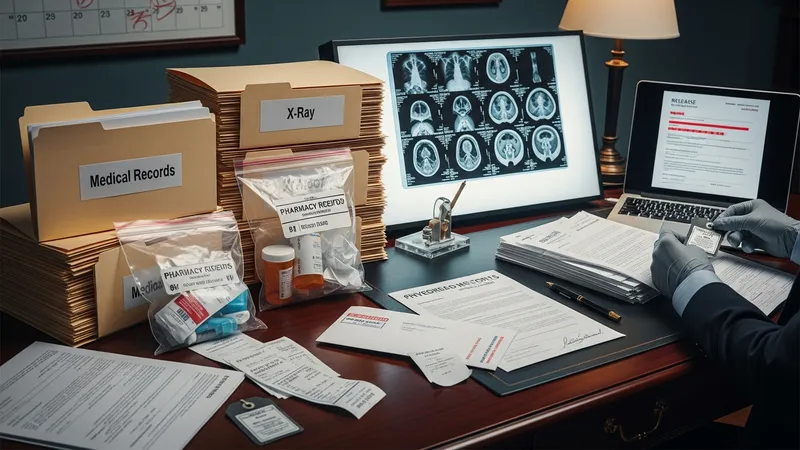
Organized evidence is central to claim development. Attorneys may recommend systematic collection of medical records, pharmacy receipts, diagnostic images, and receipts for repairs or replacements. Preservation efforts sometimes include sending recorded letters to preserve physical evidence or notifying custodians of records to prevent loss. Maintaining a clear chain of custody for physical items and documenting when and how records were obtained can help maintain their admissibility and credibility in negotiations or hearings.
Medical documentation often plays a pivotal role in connecting an accident to claimed injuries. Counsel may advise on obtaining complete treatment histories, itemized bills, and narrative summaries from treating providers that explain diagnosis and prognosis. Release forms that permit coordinated retrieval of records from multiple providers may be used to compile a comprehensive medical chronology. Where treatment gaps exist, attorneys typically discuss the implications for causation and potential strategies to address those gaps in valuation discussions.
Photographic and electronic evidence can also support factual claims. Timestamped photos of damage, scene conditions, and visible injuries may be helpful, as can metadata from devices or telematics reports where available. Collecting witness contact information and written statements early may reduce the risk of losing testimony over time. Counsel often suggests methods to preserve digital records, including saving original files and noting any transformations or transfers that occur during collection.
Documentation packages submitted to insurers commonly aim to balance conciseness with thoroughness. Demand packages usually include a statement of facts, liability documentation, medical summaries, and an itemized list of economic damages. Counsel may emphasize clarity and logical organization to facilitate insurer review. Preparing these materials with an eye to likely insurer requests can sometimes shorten exchange cycles and reduce repetitive follow-up for additional substantiation.