
Attorney Software: Key Features For Law Firm Case Management

Data handling, security, and compliance considerations for case management
Data handling practices commonly emphasize confidentiality, integrity, and availability. Systems often provide role-based access controls so only authorized personnel can view specific matter records or financial data. Encryption of data both at rest and in transit is frequently used to reduce risk of interception or unauthorized access. Audit logs that record who accessed or modified a file can assist with internal reviews and external compliance inquiries. Backup policies and recovery plans are typically documented to support business continuity in the event of system outages or data loss.
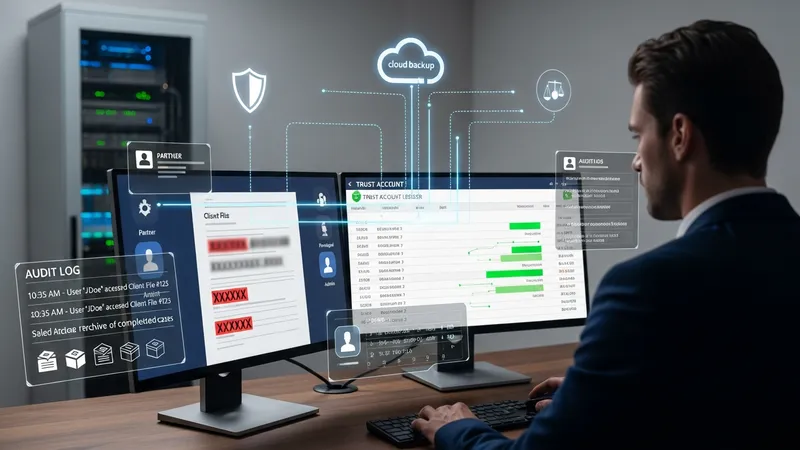
Compliance with professional conduct standards and privacy laws can shape configuration choices, including document retention schedules and client consent practices. Firms may set automated retention policies for closed matters or export archived records to secure long-term storage. Where jurisdictional rules require particular trust accounting procedures, billing and ledger components are often configured to reflect those controls so that transactions can be reconciled and reported accurately.
Vendor security practices commonly influence procurement choices; typical considerations include independent security audits, data center certifications, and breach notification procedures. Firms that prefer greater control may opt for on-premises deployments or private cloud arrangements, while others may prioritize vendor-managed security to offload operational tasks. Either approach generally benefits from written policies that define responsibilities for patching, access reviews, and incident response planning.
Operational controls around user behavior also contribute to risk management. Common measures include multi-factor authentication, regular access reviews, user training on phishing and data handling, and password policies. Establishing clear accountabilities for data stewardship and periodic reviews of permission levels may help limit exposure and align technology use with professional obligations.