
BRAF-Mutated Lung Cancer: Overview Of Current Treatment Options

Some non-small cell lung cancers (NSCLC) carry alterations in the BRAF gene that affect cell signaling pathways involved in growth and survival. These alterations include the V600E substitution and other non-V600 variants; their presence can influence which systemic therapies are considered and how clinicians monitor for response. The concept behind this overview is to explain molecular testing, therapeutic classes, monitoring approaches, and supportive care strategies relevant to NSCLC cases with BRAF pathway involvement, using measured, evidence-informed language.
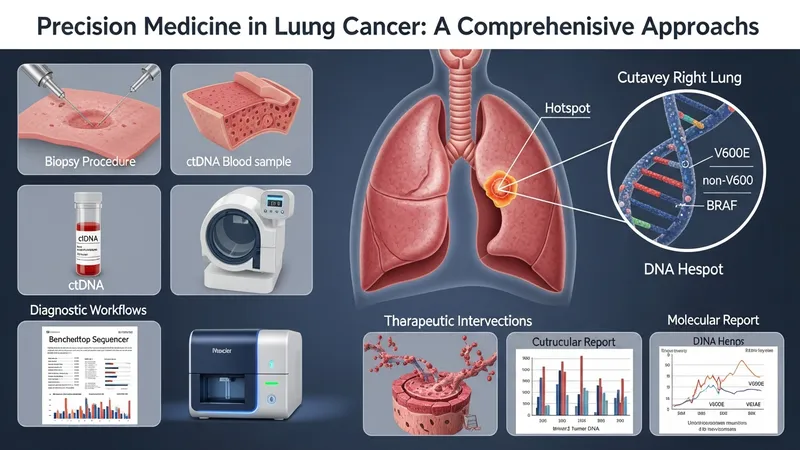
Identification of a BRAF alteration typically begins with tumor genotyping from tissue or circulating tumor DNA. Results may inform targeted therapy choices, potential combination strategies, and eligibility for clinical trials. Treatment planning commonly integrates targeted agents, immunotherapy, chemotherapy, or combinations, and may consider prior therapies, performance status, and coexisting genomic features. The following list highlights representative classes or methods that are commonly referenced in clinical management.
- Targeted BRAF-directed combinations — examples include BRAF inhibitors given with MEK inhibitors (for example, dabrafenib plus trametinib) to address V600E substitutions; these combinations are discussed in regulatory and clinical literature as an option for tumors with specific activating BRAF variants.
- Immune checkpoint inhibitors — agents that target PD-1 or PD-L1 (for example, pembrolizumab or nivolumab) may be used in NSCLC depending on histology and biomarker context; their activity can vary when a targetable oncogenic driver is present.
- Platinum-based chemotherapy regimens — systemic cytotoxic chemotherapy such as a platinum doublet (for example, carboplatin or cisplatin combined with pemetrexed in non-squamous NSCLC) is often used alone or together with other systemic approaches when targeted options are not selected or available.
Molecular testing processes may use next-generation sequencing (NGS) panels that screen multiple genes simultaneously, or targeted assays focused on specific variants. Tissue biopsy remains a standard source for testing, though plasma-based assays for circulating tumor DNA are increasingly used when tissue is limited. Turnaround times for testing can vary by laboratory; clinicians may balance the need for timely systemic therapy with the value of comprehensive genomic data. Reporting typically distinguishes activating alterations from variants of uncertain significance to guide therapeutic considerations.
Targeted therapy combinations directed at BRAF V600E alterations operate by inhibiting different points in the MAPK pathway; MEK inhibition alongside BRAF inhibition may reduce feedback reactivation and extend the period of disease control in some patients. Non-V600 BRAF variants may have different signaling behavior and may not respond similarly to the same drug combinations. Safety profiles often include class-specific effects that are monitored clinically, and drug selection may be influenced by prior therapies, comorbidities, and potential drug–drug interactions.
Immune checkpoint inhibitors act by altering host immune responses to tumor cells and have demonstrated activity across subsets of NSCLC. When an oncogenic driver such as a BRAF alteration is present, response rates to immunotherapy can be variable; PD-L1 expression and tumor mutational burden are among factors that may correlate with activity but do not guarantee outcomes. Clinicians often consider sequential or combined approaches—such as adding chemotherapy to immunotherapy—while weighing expected benefits and risks for an individual patient.
Chemotherapy remains a component of treatment sequencing for many patients and can be combined with other systemic agents. For non-squamous NSCLC, a platinum-based doublet with pemetrexed is often used in first-line regimens when targeted agents are not indicated, or combined with immunotherapy where evidence supports that approach. The choice and order of therapies may be influenced by symptom burden, need for rapid disease control, and access to targeted agents or trials; decisions typically reflect multidisciplinary assessment rather than prescriptive rules.
In summary, management of NSCLC that harbors BRAF pathway alterations involves coordinated use of molecular testing, consideration of targeted BRAF/MEK combinations for specific variants, an assessment of immunotherapy suitability, and appropriate use of chemotherapy and supportive care. Each component may affect subsequent options and monitoring strategies. The next sections examine practical components and considerations in more detail.