
BRAF-Mutated Lung Cancer: Overview Of Current Treatment Options

Monitoring response, supportive care, and the role of clinical trials
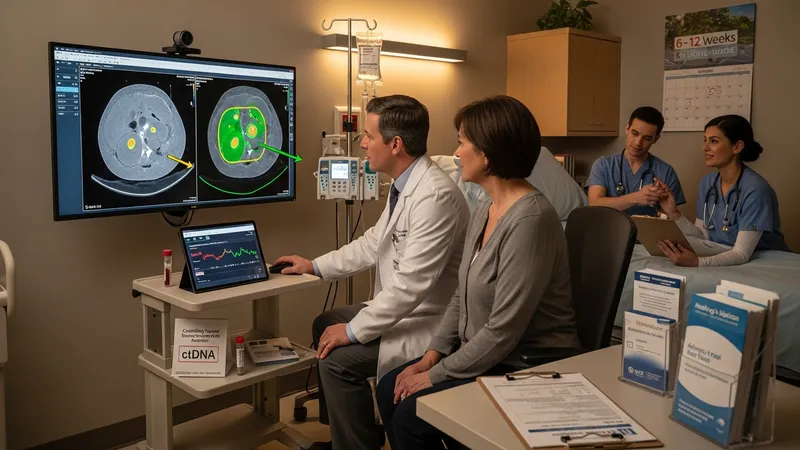
Response monitoring typically combines radiographic imaging at scheduled intervals and clinical assessment of symptoms. Imaging modalities such as CT or PET/CT are commonly used to evaluate tumor burden changes; intervals often reflect the therapeutic context, for example every 6–12 weeks during active systemic therapy, though schedules may be individualized. Circulating tumor DNA assays are increasingly applied to detect molecular responses or emerging resistance earlier than imaging in some reports, but their interpretation requires integration with clinical and radiographic data.
Supportive care addresses symptom management, treatment-related toxicities, and quality-of-life concerns. Common supportive measures include antiemetics for chemotherapy-associated nausea, fever management protocols for targeted-agent–associated pyrexia, and endocrine or dermatologic interventions for immune-related events. Early involvement of palliative care specialists can assist with complex symptom control and advance care planning, viewed as an integral component rather than a last resort in many care models.
Clinical trials remain an important avenue for access to novel agents, combination strategies, and biomarker-driven approaches. Trials may explore new targeted inhibitors, combinations with immunotherapy, or strategies to overcome resistance. Eligibility criteria commonly include specific molecular features, prior therapy exposures, and performance status. Multidisciplinary teams and institutional trial offices can provide information on available studies and logistical considerations for participation, without implying suitability for every patient.
Overall, an integrated approach to monitoring, side-effect management, and consideration of research options supports informed, individualized care. Regular reassessment of disease status, tolerance, and patient goals can guide adjustments in therapy and supportive interventions. Readers may consult subsequent clinical resources or multidisciplinary teams for specific implementation details, recognizing that the therapeutic landscape continues to evolve with emerging evidence.