
Business Platform Software: Key Features For Streamlined Operations

Feature types and functional modules relevant to streamlined operations
Core feature types often map to functional modules that address distinct operational needs. Workflow modules handle sequencing and human approvals; CRM-like components manage account records and interaction histories; document systems store and index records for retrieval and compliance; notification services relay status updates to stakeholders. Each module may expose configuration interfaces so non-developers can adjust rules or forms. When evaluating functionality, organisations often review how easily modules interoperate, whether data schemas are shared or require mapping, and the available tooling for monitoring process health and error conditions.
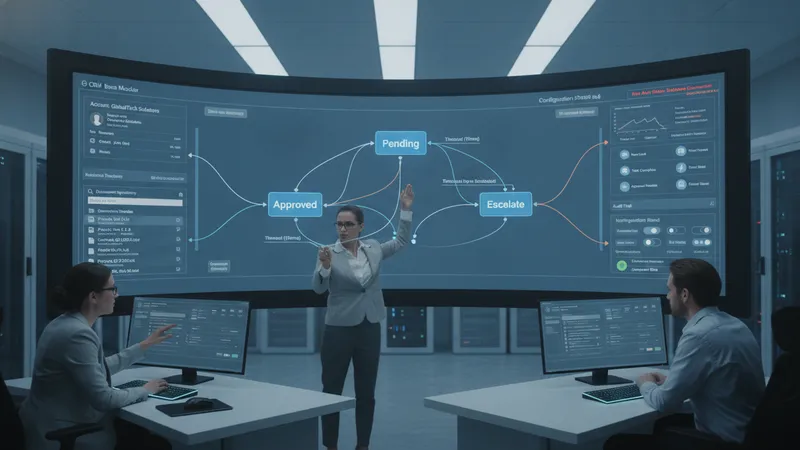
Workflow management commonly includes visual process editors and state machines for defining task lifecycles. Visual editors may reduce the need for code by allowing process owners to model flows, but they can impose constraints if complex logic is required. State machines enforce valid transitions and can include timeout handlers or escalation paths. Practical considerations include versioning of process definitions, the ability to run simulations or test cases, and whether historic executions are retained for audit. These features may be especially useful for regulated teams that need demonstrable process control.
Customer and account management modules typically store identifiers, contact histories, and relationship links to transactions or cases. These modules can often synchronise with external sales or billing systems via APIs or scheduled exports, preserving a single source of reference for operational users. Considerations include how duplicate records are detected and merged, the support for custom fields, and how interaction histories are indexed for search. In many organisations, having a coherent account model reduces repeated data entry and improves traceability across handoffs.
Document and record management subsystems usually provide searchable storage with metadata, version control, and retention settings. Metadata schemes may align with process stages to facilitate retrieval during case handling. Features to consider include support for scanned documents and OCR, automated classification, and the ability to link documents to specific process instances. Administrators often assess how retention and disposal policies are configured and whether legal holds or archive exports are supported for compliance purposes.