
CRM For Small Business: Key Features, Functions, And Use Cases

Sales pipeline tracking and task management in CRM for small business
Sales pipeline tracking in small-business CRMs often presents opportunities as items moving through defined stages; the terminology may vary but the concept is consistent: assign a stage, set next steps, and update status as interactions progress. Visual representations such as board or funnel views help teams quickly assess active deals and prioritize work. Task management features linked to pipeline entries commonly create action items—calls, proposals, or demos—with due dates and assignment fields. These task links keep the operational steps connected to the associated customer record.
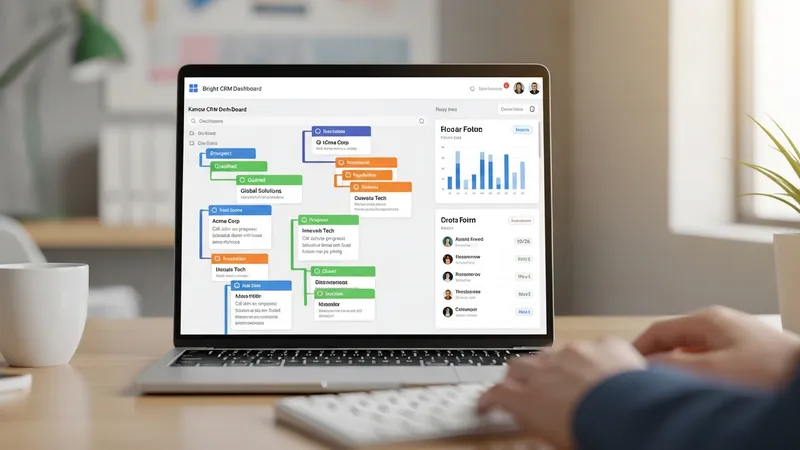
Designing pipeline stages for a small business usually involves balancing detail with simplicity. Too many stages can increase administrative burden, while too few may obscure where deals stall. Typical practice is to map only the meaningful decision points and to include a field for next action and expected close date. Tracking timestamps for stage transitions can provide a rudimentary measure of deal velocity, which may help identify stages that often require additional resources or changes in process.
Task management within the CRM may include reminders, recurring tasks, and simple escalation rules. For small teams, recurring task templates can keep routine outreach consistent without excessive manual scheduling. Escalation rules are often basic, such as flagging tasks that pass due dates or reassigning ownership when primary contacts are unavailable. When task management integrates with personal calendars or mobile notifications, teams can maintain momentum on deals while reducing the need to switch between separate tools.
From an operational viewpoint, combining pipeline tracking with task management encourages documented workflows and reduces dependence on individual memory. Small teams that use these features often find that visible pipelines and assigned tasks improve accountability and reduce duplicated work. It is typical for organizations to periodically review pipeline definitions and task templates to ensure they still reflect the current selling process and to adjust for shifts in customer behavior or product offerings.