
Frozen Food Logistics: Key Steps In Cold Chain Management And Distribution

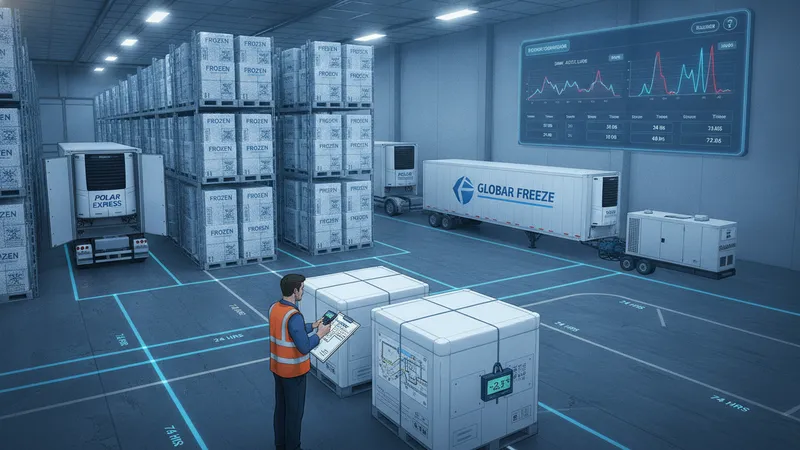
Transportation planning and distribution workflows
Route planning and carrier selection are practical elements in distributing frozen products. Planners commonly match load type, transit time, and required temperature profile to transportation modes and schedules. Consolidation strategies may reduce handling steps but can increase transit duration; conversely, direct shipments may shorten transit time but can affect cost structure and utilization. These trade-offs are typically assessed in terms of product vulnerability and service-level expectations without assuming universal applicability.
Handoff and transfer points are frequent sources of temperature risk. Clear documentation of responsibilities at each handoff, synchronized schedules, and use of sealed or monitored containers can reduce uncertainty. Some supply chains include contingency nodes where products can be transferred to alternate refrigerated capacity if an interruption occurs. Such contingency planning focuses on risk reduction and operational resilience rather than definitive prevention of all issues.
Last-mile delivery for frozen goods often introduces unique constraints such as urban routing, restricted delivery windows, and local handling conditions. Packaging designed for shorter distribution legs may differ from long-haul packaging in insulation profile or refrigerant choice. Coordinating carrier pickup windows and recipient readiness can reduce time outside controlled environments, and these coordination points are commonly addressed through documented carrier performance metrics and planning assumptions.
Performance measurement and continuous improvement typically rely on a mix of operational metrics: temperature compliance rates, incidence of excursions, on-time deliveries, and product disposition outcomes. Analysis of these metrics can identify process weak points and inform investments in equipment, monitoring, or revised procedures. Such analysis is typically presented as a tool for informed decision-making rather than as definitive prescriptions for all operations.