
Industrial Equipment Suppliers: Key Factors To Evaluate Reliability And Quality

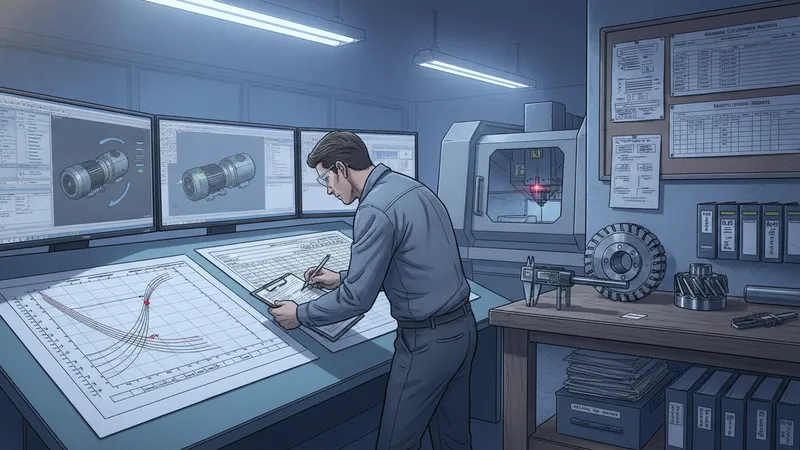
Product specifications, materials, and standards for industrial equipment
Technical specifications should align with intended service conditions and production targets. For centrifugal pumps, reviewers typically compare pump curves against expected system head and flow, as well as verify materials against chemical compatibility. For compressors, specification review often covers duty cycles, lubrication systems, and the rated efficiencies of motor drives. CNC machines require clarity on positional tolerances, thermal stability, and tooling interfaces. Detailed specification alignment reduces the risk of equipment being undersized or mismatched for process needs.
Material traceability and manufacturing tolerances are common quality indicators. Certificates of conformity and material test reports (MTRs) can confirm alloy grades and heat-treatment status for critical components. For rotating equipment such as compressors and pumps, balancing reports and surface-finish documentation may be requested. For CNC machines, positional accuracy certificates and laser-alignment proofs are often relevant. These documents may typically be requested during procurement to validate that delivered goods meet specified characteristics.
Industry standards and third-party approvals provide structured benchmarks for product evaluation. Standards such as API for rotating equipment or ISO norms for manufacturing processes may be referenced to set expectations. While standards do not replace application-specific engineering assessments, adherence to recognized standards often means suppliers operate within accepted industry practices. Evaluators commonly use standards as checkpoints within a broader verification plan rather than sole determinants of suitability.
Practical tips include comparing equipment performance curves under operating temperatures similar to the installation site and confirming whether quoted tolerances reflect measured rather than nominal values. Clarifying whether material certificates are traceable to batch numbers and whether test reports were conducted by in-house or independent laboratories can reduce ambiguity. Such focused checks often reveal variations that matter for long-term reliability and maintenance planning.