
Internet Security Companies: Core Services And Cyber Defense Capabilities

Many organizations provide specialized services to protect computing environments, data, and users from unauthorized access, disruption, or misuse. These providers typically combine technology products, monitoring services, and incident handling processes to reduce exposure to cyber threats. Their offerings often cover components such as perimeter controls, host-level defenses, identity verification, threat detection, and response coordination, with delivery models that range from on-premises appliances to managed cloud services.
Such firms may work with diverse customers — from small teams to large enterprises — and may integrate multiple capabilities into a coherent defensive posture. Engagements can include continuous monitoring, scheduled assessments, policy consulting, and hands-on incident work. The scope and depth of services usually vary by organizational size, regulatory environment, and the complexity of existing IT and cloud architectures.
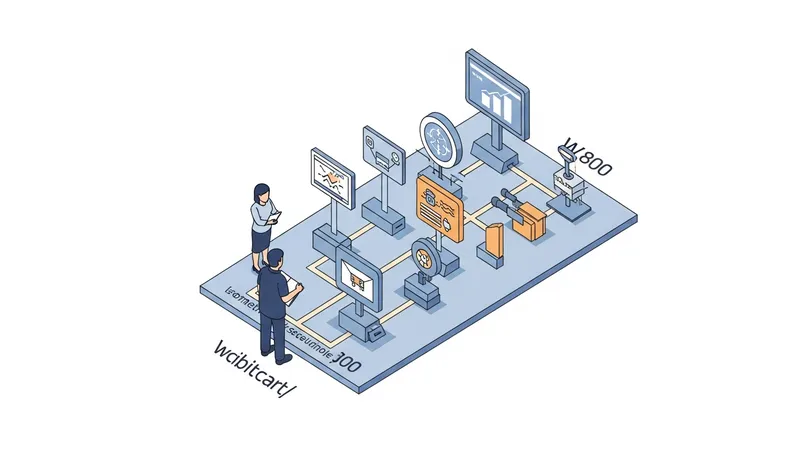
- Endpoint detection and response (EDR): software agents on devices that collect telemetry, detect suspicious activity, and support containment or remediation actions.
- Security information and event management (SIEM): centralized logging and analytics platforms that correlate events from networks, servers, and applications to surface potential incidents.
- Identity and access management (IAM) systems: credential, single sign-on, and privilege-management tools that control who can access which resources and log authentication activity.
Different service models may apply these tools in distinct ways. For example, a managed detection and response (MDR) engagement typically pairs EDR and SIEM data with a security operations center (SOC) team that reviews alerts and coordinates response steps. Alternatively, advisory engagements often focus on architecture and policy, where IAM and network segmentation recommendations may be prioritized. These service distinctions can influence expected monitoring windows, escalation paths, and documentation deliverables.
When evaluating technical coverage, it helps to consider how vendors integrate telemetry sources. Some providers emphasize broad data ingestion across network flows, endpoints, cloud logs, and identity services, which can improve correlation but may increase data volume and cost. Others emphasize targeted telemetry with curated alerts to reduce false positives. Organizations often balance the breadth of visibility against practical constraints such as retention needs, privacy considerations, and available analyst capacity.
Vulnerability assessments and penetration tests are common components that complement continuous detection. Assessments typically map known weaknesses in software or configurations at scheduled intervals and may produce prioritized remediation lists. Penetration testing simulates attacker techniques to validate controls and response procedures. Both approaches can be applied at different layers — applications, infrastructure, and cloud services — and may be repeated periodically to track remediation progress.
Incident response capabilities vary from playbook development and tabletop exercises to hands-on containment support during an active compromise. Providers often supply defined response roles, forensic data collection, and restoration planning. The level of involvement may be time-bound or ongoing; some engagements are retainer-based to ensure rapid access to expertise, while others are one-off engagements triggered by detected or suspected incidents.
In summary, specialist security firms assemble combinations of preventative controls, detection platforms, and response services to address diverse cyber risks. These offerings may be configured and scaled according to organizational size, technology stack, and compliance requirements. The next sections examine practical components and considerations in more detail.