
Inventory Management System: Core Features, Functions, And Workflows Explained

Inventory Management System: Integration, Valuation, and Reporting Considerations
Integration between inventory systems and other business systems—such as accounting, point-of-sale, e-commerce platforms, or enterprise resource planning suites—helps maintain consistent records across functions. Common integration patterns include API-based transaction feeds, file-based batch updates, or direct database synchronization. Integration design often considers transaction latency, reconciliation points, and error handling so that downstream systems receive timely, accurate inventory and cost information.
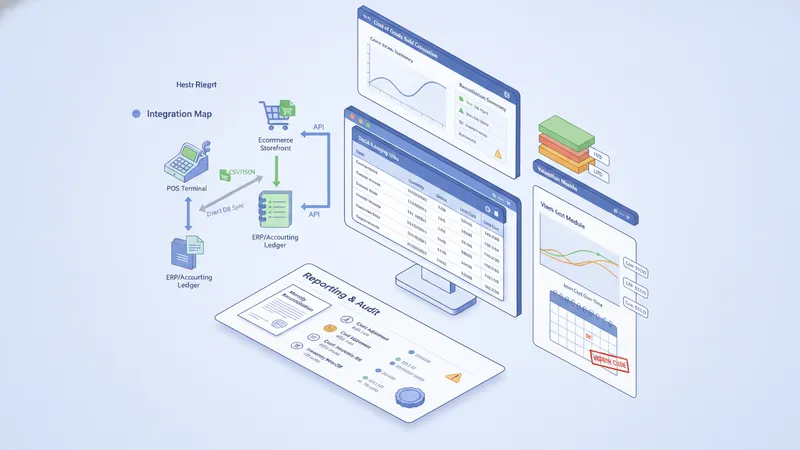
Valuation methods implemented in the system must align with accounting policies or regulatory requirements. Systems may maintain cost layers for FIFO, compute moving averages for weighted cost, or hold item-level costs for specific identification. Valuation impacts financial statements and cost of goods sold calculations, so transparent audit trails for cost adjustments and inventory write-offs are typically important. Reporting modules often provide reconciliation reports to support month-end close activities.
Reporting and analytics provide operational visibility through metrics such as inventory turnover, days of supply, stock aging, and fill rate. Dashboards and scheduled reports may highlight slow-moving items or excess stock that ties up working capital. Analytics can also support scenario planning for promotions or supplier disruptions, although the usefulness of scenarios typically depends on the underlying data quality and forecast assumptions used.
When evaluating system capabilities, organizations often consider scalability, ease of integration, and the clarity of role-based workflows to support operational adoption. Internal considerations may include staff training needs, physical infrastructure such as scanners or labels, and policies for handling discrepancies. These practical elements typically determine how effectively an inventory approach translates into consistent operational performance over time.