
Inventory Management Systems: Key Components And Core Functions Explained

Inventory Management Systems: Purchasing, receiving and order processing
Purchasing, receiving and order processing form the inbound and outbound transaction flows that stock systems must capture. Purchasing workflows often begin with purchase requisitions and lead to purchase orders that include supplier terms, expected delivery dates, and quantities. Inventory systems may support automated PO generation based on reorder triggers or forecasted demand, but organisations generally retain review steps for high-value or irregular purchases. Matching invoices to receipts is a common control point to ensure that financial and inventory ledgers align.
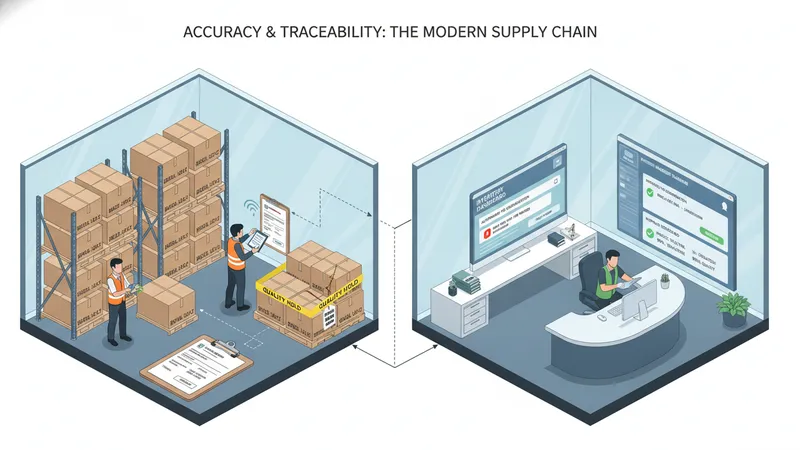
Receiving processes are critical for timely updates to on-hand quantities. Typical steps include logging the arrival, inspecting items against purchase orders, recording serial or batch identifiers, and posting goods receipts. Where quality checks are required, systems usually allow for items to be placed on hold or quarantined until inspection completes. Accurate receiving can reduce downstream fulfilment delays and improve supplier performance measurement, and organisations often link receiving data to supplier scorecards for procurement decisions.
Order processing covers order capture, allocation, picking instructions, packing, and shipping confirmation. Allocation rules may reserve inventory for priority channels or backorders, and picking strategies (single-order pick, batch pick, wave pick) can be selected based on order profiles and warehouse layout. Integration with carriers and shipment tracking often occurs at the final stage to update order status. Systems typically record fulfilment timestamps for performance metrics such as order lead time and on-time shipment rates.
Controls and exceptions are important across purchasing and order processing. Common exceptions include short deliveries, over-receipts, damaged goods, and returns; systems that support clear disposition and credit processes can reduce reconciliation effort. Audit trails that record who performed transactions and when they occurred help maintain internal control and support investigations. Organisations may also implement approval thresholds to manage spending and ensure segregation of duties between purchasing and receiving functions.