
Inventory Management Systems: Key Components And Core Functions Explained

Inventory Management Systems: Reporting, analytics, integrations and data governance
Reporting and analytics transform transactional inventory data into insights for purchasing, operations, and finance. Common reports include stock valuation, ageing analysis, turnover ratios, slow-moving SKU lists, and fill-rate dashboards. Analytics may support demand forecasting, safety stock simulation, and scenario analysis for supplier lead time changes. Data quality and completeness are prerequisites for reliable analytics: missing or inconsistent item attributes can lead to misleading metrics, so governance processes for SKU creation and master data maintenance are typically important.
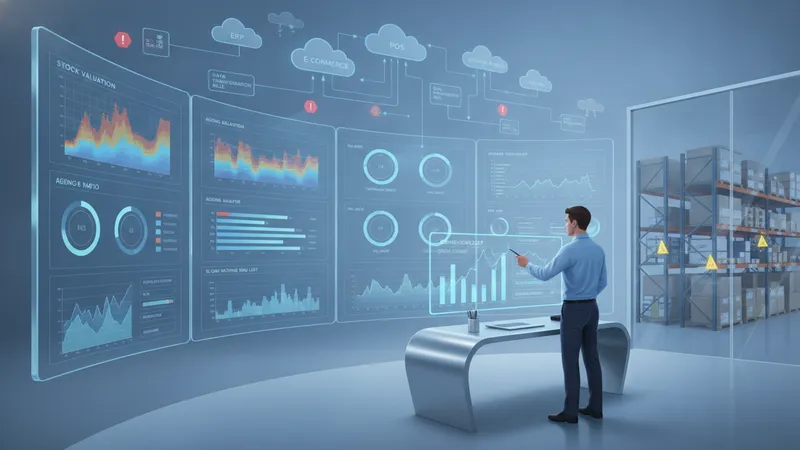
Integration with enterprise systems—ERP, point-of-sale, e-commerce platforms, and supplier portals—reduces manual reconciliation and supports end-to-end visibility. APIs and standard data exchange formats allow inventory systems to receive sales orders, push shipping confirmations, and synchronise item attributes. Integration planning usually addresses data frequency, transformation rules, and error-handling procedures. Organisations often start with key interfaces and expand integrations incrementally to manage complexity and risk.
User roles and access controls are part of data governance, limiting who can create, modify, or approve inventory transactions. Role-based permissions, approval workflows for adjustments, and audit logging typically help maintain accountability. Periodic reviews of user access and separation of duties between operational and financial roles may be adopted to reduce fraud and error risk. Clear documentation of policies and procedure flows supports consistent application of controls and aids onboarding of new staff.
Maintaining reliable inventory data commonly involves routine reconciliation, exception reporting, and scheduled audits. Cycle counts and variance investigations help correct systemic issues such as mislabelled SKUs or inaccurate put-away. When implementing new features or integrations, organisations often pilot changes and monitor key metrics to validate effects before wider rollout. These governance and validation practices typically support more stable inventory performance over time without relying solely on technological fixes.