
Local Plumbers: Understanding Common Residential Plumbing Services

Local plumbing services cover the routine and specialized work performed by tradespeople who maintain and repair water, drainage, and related systems in residences. Understanding common residential plumbing services involves recognizing the range of tasks a local plumber may perform, the typical triggers for service calls, and the technical methods used. This concept frames plumbing as a set of discrete service categories—such as leak detection, drain cleaning, fixture installation, and water heater maintenance—each requiring specific diagnostic steps and tools.
Residents typically encounter plumbing needs that vary from small fixture adjustments to complex pipe repairs. Local plumbers often evaluate symptoms (reduced flow, visible leaks, odors, slow drains) and apply diagnostic techniques like camera inspection or pressure testing. Service delivery can involve temporary measures to contain damage and longer repairs or replacements. Clear descriptions of service scope help homeowners anticipate what a plumber may assess and which outcomes may follow from initial diagnostics.
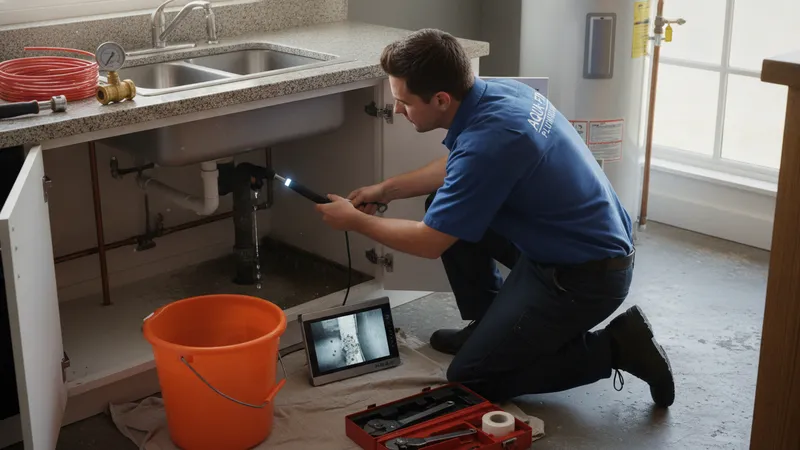
- Leak detection and repair — pinpointing concealed leaks using electronic or visual methods and repairing or replacing affected pipes, seals, or joints.
- Drain cleaning and pipe clearing — removing obstructions through mechanical snaking, hydro-jetting, or chemical-safe approaches to restore flow and prevent recurring blockages.
- Water heater maintenance and repair — inspecting, flushing, and addressing heating elements, thermostats, or valves on storage and tankless water heaters to maintain performance and safety.
Leak detection and repair often begin with symptom identification: sounds of running water, unexplained increases in utility bills, or visible stains. Technicians typically use tools such as acoustic leak detectors, infrared imaging, and pressure gauges to locate the source. Repair options can range from replacing a failed fitting to relining or replacing a section of pipe. The chosen approach may depend on pipe material, access limitations, the age of the plumbing, and considerations about minimizing disruption to the residence.
Drain cleaning and pipe clearing can involve varied methods that match the nature and location of a blockage. Mechanical drain snakes may address hair and small debris in bathroom drains, while hydro-jetting can remove grease, scale, and heavier buildup from sewer lines. Plumbers often assess whether a recurring clog suggests a larger problem—such as tree-root intrusion or collapsed pipe—that may require imaging with a sewer camera and a different repair strategy. Preventive cleaning can reduce recurrence but may not eliminate all sources of obstruction.
Fixture and appliance work commonly performed by local plumbers includes faucet and valve repair, toilet servicing, and installing or connecting appliances such as dishwashers and washing machines. These tasks often involve both plumbing and basic carpentry considerations (access panels, cabinetry). Compatibility with existing supply lines and drain configurations is a practical factor; sometimes adaptors or partial rework are necessary. Technicians usually verify shutoff functionality and test for leaks after installation or repair to confirm operational integrity.
Inspections, emergency plumbing, and preventive maintenance form distinct service categories that address different risk profiles. Inspections may target potential failures before they escalate, using checklists that cover visible supply lines, venting, and fixtures. Emergency plumbing services typically focus on immediate hazard mitigation—stopping leaks, isolating water supplies, and removing standing water—followed by assessments for underlying causes. Preventive maintenance tasks such as seasonal checks, trap cleaning, and valve exercise can reduce the frequency of urgent repairs but do not guarantee absolute prevention of failures.
In summary, understanding common residential plumbing services means recognizing the service types, diagnostic approaches, and typical repair options a local plumber may provide. Each category—from leak detection to water heater maintenance—has tradeoffs in technique, access, and expected outcomes that may affect time and cost. The next sections examine practical components and considerations in more detail.