
Oncology Research And Treatment: Understanding Core Concepts And Care Pathways

Research methods used in oncology studies and treatment pathways
Laboratory research methods commonly used in oncology studies include in vitro assays, organoid cultures, and in vivo animal models; each may provide different levels of biological fidelity. Genomic and transcriptomic profiling techniques can identify molecular alterations and expression patterns that inform hypothesis generation. Translational research seeks to move findings from these platforms into clinical testing, often using biomarker-driven eligibility criteria. Considerations for researchers include reproducibility, sample quality, and the generalisability of model systems to human disease. These methodological aspects may shape how preclinical insights enter clinical pathways and trial designs.
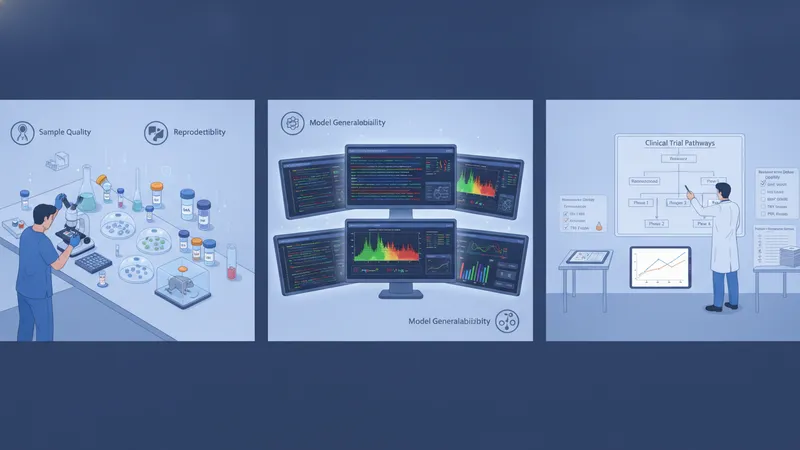
Study design choices can influence the types of conclusions that are plausible. Randomised trials may control for known and unknown confounders, while observational designs may be more feasible for rare conditions or long-term outcomes. Adaptive trial features may allow mid-study modifications based on pre-specified rules, which can conserve resources but require careful statistical planning. Patient selection criteria, endpoints (e.g., survival, progression-free intervals, patient-reported outcomes), and follow-up duration are typical design elements that investigators balance against feasibility and ethical considerations.
Biomarker validation is a recurring methodological challenge in oncology research and treatment pathways. Analytical validity (assay performance), clinical validity (association with disease characteristics), and clinical utility (usefulness for decision-making) are separate domains that often require sequential evaluation. Diagnostic assays may undergo regulatory review or laboratory accreditation processes in different jurisdictions, and laboratories typically document performance characteristics. Researchers and clinicians may treat biomarker data as one input among several when defining treatment pathways or trial eligibility.
Data management and reproducibility practices are important considerations for oncology research. Standardised data collection, anonymisation practices, and transparent reporting of methods may support secondary analysis and meta-research. Statistical approaches for handling missing data, multiplicity of comparisons, and effect modification are common technical issues. Sharing of de-identified datasets and protocols can facilitate replication and broader learning, although legal and privacy considerations often inform what data can be shared and how it is governed.