
Oncology Research And Treatment: Understanding Core Concepts And Care Pathways

Care coordination, supportive services, and pathway organisation in oncology research and treatment
Organising care pathways in oncology involves aligning diagnostics, treatment planning, and supportive services across multidisciplinary teams. Multidisciplinary tumour boards commonly bring together oncology, surgery, pathology, radiology, and supportive-care specialists to review complex cases and to harmonise recommendations. Care pathways may specify timing of interventions, roles for navigation services, and checkpoints for symptom management. Structured pathways can facilitate consistent documentation and enable measurement of process metrics such as time-to-treatment or adherence to guideline-based steps.
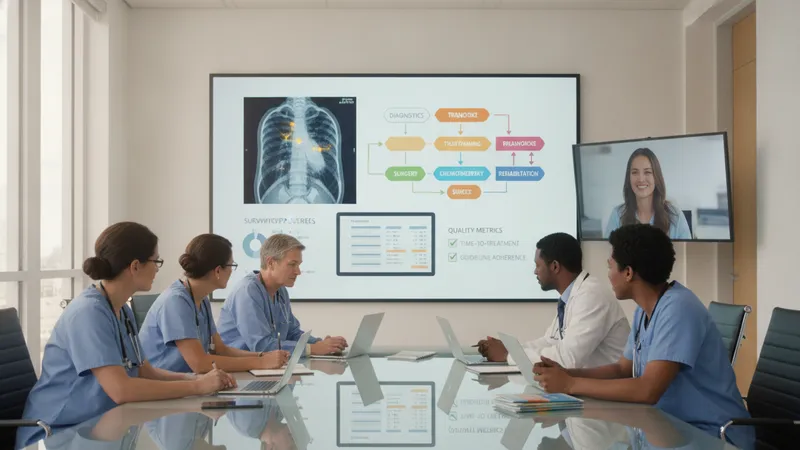
Supportive services are integral components of oncology pathways and often include symptom management, rehabilitation, psychosocial care, and survivorship planning. These services may be delivered by specialised teams or integrated into oncology clinics. Symptom assessment tools and patient-reported outcome measures can help identify needs and guide interventions. Coordination between acute care, outpatient services, and community resources is typically required to address complex needs over the course of treatment and recovery.
Health-system and operational considerations shape how pathways function in practice. Resource availability, workforce expertise, and information systems (e.g., electronic health records, referral tracking) influence pathway throughput and continuity. Monitoring process and outcome metrics can identify bottlenecks and areas for improvement, while pilot projects and iterative process mapping may inform system changes. Stakeholders often consider feasibility, equity of access, and scalability when planning pathway adjustments, treating these as operational considerations rather than guarantees of outcome.
Patient engagement and communication practices are practical considerations for pathway success. Clear communication about diagnostic steps, likely timelines, and supportive resources may help align expectations. Navigation services and care coordinators can play roles in bridging transitions between diagnostic, treatment, and survivorship phases. Evaluations of pathway performance often include patient experience measures alongside clinical metrics, recognising that system-level organisation and individual-level support both contribute to the overall care experience.