
Payroll Systems: Key Components, Functions, And Workflows Explained

Payroll Systems: Processing and Wage Calculation Components
Processing workflows in payroll systems typically map the lifecycle from raw labor inputs to finalized pay outputs. Inputs may include timekeeping entries, salary schedules, commission reports, and manual adjustments. Systems often provide validation routines that can detect anomalies such as overlapping shifts, missing time entries, or inconsistent pay rates. Administrators commonly configure pay calendars and run sequences to support weekly, biweekly, semimonthly, or monthly cycles. Where multiple pay groups exist, systems may support parallel runs and consolidated reporting to ensure consistency across organizational units.
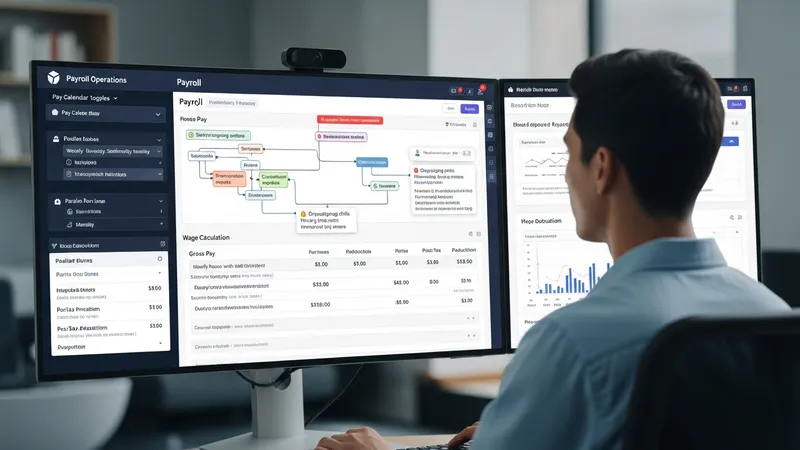
Wage calculation modules often separate gross pay elements from deductions and employer contributions. Gross pay computation may handle hourly calculations with overtime multipliers, salaried proration for partial periods, and variable components such as bonuses. Deduction logic typically covers taxes, statutory contributions, retirement plan deferrals, and voluntary benefits. Payroll engines may allow layered deduction priorities so that pre-tax and post-tax withholdings apply in the intended order and do not conflict with statutory caps or thresholds.
Complex pay situations—for example, multi-state work, shift differentials, or commission-based compensation—may require conditional logic and supplemental data feeds. Systems that support multiple currencies, pay rates, or labor categories can assign rules per worker or per assignment. Where changes to pay are frequent, audit trails and versioning help trace when and why calculations changed. Robust testing and parallel runs may be used during configuration changes to verify that calculation rules produce expected outcomes before going live.
Operational controls around processing typically include role-based access, segregation of duties, and approval gates. Common controls may require supervisor approval for manual adjustments, review of exception reports before payroll finalization, and separation between staff who input data and those who authorize payments. These practices can reduce error rates and create clear accountability paths for payroll actions. Technical measures such as reconciliation reports and automated alerts for threshold breaches further assist in maintaining reliable processing.