
Payroll Systems: Key Components, Functions, And Workflows Explained

Payroll Systems: Time, Attendance, and Benefits Integration
Time and attendance integration is a central functionality that connects labor capture with pay calculations. Systems often accept feeds from time clocks, mobile punching apps, or web-based timesheets and may perform rounding, rounding policies, or exception detection. Integration can eliminate manual transcription of hours, reducing errors and enabling faster processing. When configured, attendance feeds may automatically populate accruals for leave types and trigger supervisor approvals where exceptions occur, supporting consistent application of paid-time-off policies.
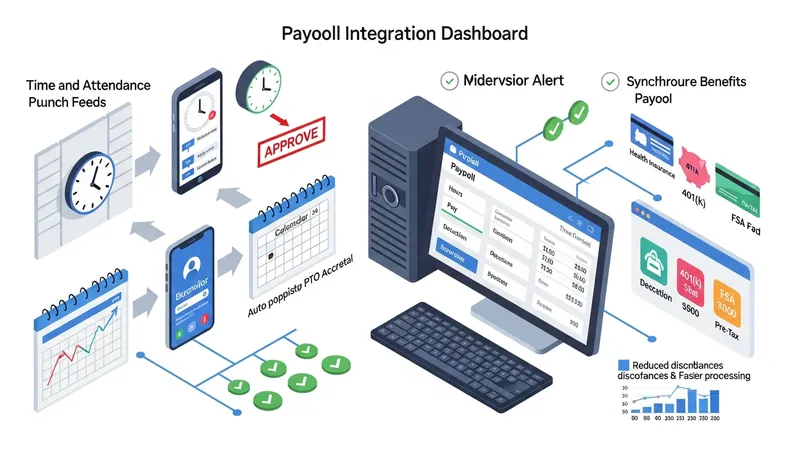
Benefits administration interfaces commonly feed employee elections and deduction amounts into payroll. These feeds can include health plan premiums, retirement deferrals, flexible spending account elections, and other voluntary deductions. Payroll systems frequently provide mechanisms to calculate employer contributions and to apply pre-tax treatment where applicable. Maintaining synchronized data between benefits and payroll systems may reduce discrepancies in withholding and ensure that benefit deductions align with plan eligibility and enrollment periods.
Leave and accrual management often interacts with payroll to calculate paid absence payments and to update remaining balances. Systems may support accrual rules based on service time, hours worked, or other criteria, and can automate proration and carryover calculations. Integration with scheduling tools may also help match leave usage to staffing needs. Clear visibility of accruals in employee self-service portals can assist workers in understanding available balances and reduce administrative inquiries to payroll teams.
When connecting multiple systems, data governance and mapping are practical considerations. Organizations may define canonical employee identifiers to avoid mismatches, establish error-handling rules for missing or conflicting records, and perform routine reconciliations after imports. Testing integration scenarios—such as mid-period status changes or retroactive adjustments—can surface mapping issues. Documentation of integration logic and update procedures helps maintain reliable flows and supports troubleshooting when discrepancies arise.