
Plumbers Near Me: How To Evaluate Local Plumbing Services And Qualifications

Assessing Experience, Specializations, and Service Scope for Local Plumbing Services
Experience can be evaluated by the types and volumes of projects a provider has completed. Providers often specialize in residential repairs, commercial systems, hydronic heating, sewer line replacement, or gas appliance work. Different specializations typically require different skill sets, tools, and safety practices. For example, sewer rehabilitation may involve trenchless equipment and camera inspections, while water heater installation requires knowledge of venting and temperature-pressure safety devices. Consider whether the provider’s documented experience matches the technical needs of the job.
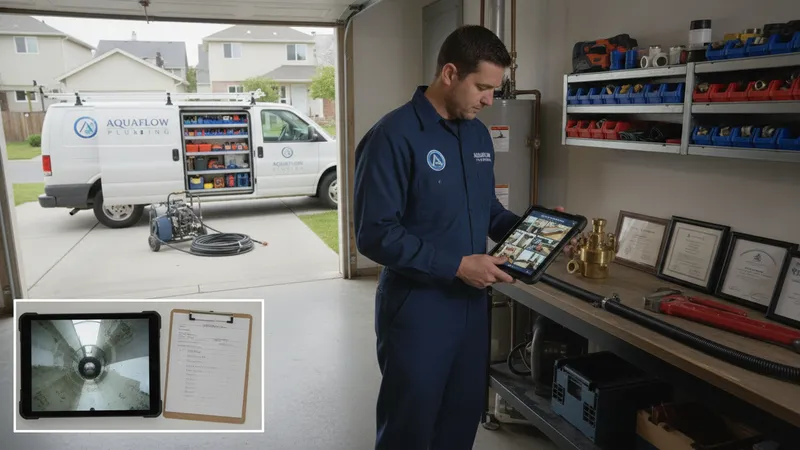
Specialized tasks frequently require distinct certifications or manufacturer-authorized training. Examples include certification for backflow prevention testing, gas-fitting endorsements, or installation training for certain water heater brands. Such qualifications may be described on resumes, company profiles, or training certificates. When assessing a provider’s suitability for a specialized task, ask which specific training or projects demonstrate competence in that area, and whether the provider can show documented examples of similar completed work.
For multi-stage or larger projects, consider how a provider manages project planning and communication. Experience in coordinating permits, inspections, subcontractors, and material deliveries can affect timelines and outcomes. Ask how the provider typically sequences work and what documentation they use for change orders and progress reporting. Providers with longer histories may have established processes for project management; newer providers may still develop such systems even if technically competent.
Availability of tools and diagnostic equipment can signal readiness for specific assignments. Items such as drain cameras, video inspection equipment, pipe locators, and pressure-testing rigs are commonly used for accurate diagnosis and repair planning. The presence of such tools may reduce diagnostic uncertainty and help in producing detailed written estimates. However, tool ownership alone does not assure quality; it should be considered alongside demonstrated experience and documentation of results.