
Roof Repair: Identifying Common Roofing Problems And Early Warning Signs

Inspection methods and diagnostic examples tied to common signs
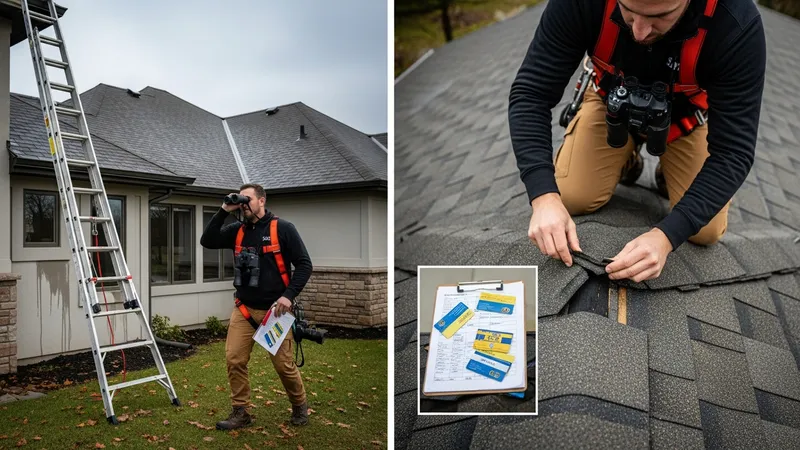
Visual inspections are foundational and often the first step after notable weather events or during scheduled maintenance. Inspectors typically walk perimeter areas and use binoculars or close-up roof access to assess shingles, flashing, gutters, and rooftop penetrations. Photo documentation and descriptive notes help establish whether observed damage aligns with common problem patterns, such as wind-lifted shingles near ridge lines or missing granules concentrated on lower slopes. Visual findings commonly determine whether more specialized diagnostics—like moisture meters or thermography—are warranted to locate concealed issues.
Infrared thermography is commonly used where visual signs are limited but moisture intrusion is suspected, particularly on large or complex roofs. Thermographic imaging may reveal temperature anomalies that correspond with wet insulation or trapped moisture beneath roofing layers, since wet areas often store and release heat differently than dry areas. This method typically requires calm, stable weather conditions and experienced interpretation, as thermal differentials can arise from factors other than water, such as material thickness or insulation gaps. It is generally one component of a broader diagnostic approach.
Moisture meters and small-access probes provide point confirmation after non-invasive methods suggest a suspect area. These tools measure moisture content in deck materials, insulation, and roofing substrates and can help determine whether a stain indicates active leakage. In many cases, attic access paired with moisture readings clarifies whether ceiling discoloration is from current infiltration or prior events. Combining these measurements with exterior observations, such as failed flashing near the stain, enhances the confidence in locating the most likely source without presuming a single cause from one indicator alone.
When inspection results are ambiguous, targeted destructive testing or controlled removal of localized roofing material may be necessary to confirm the condition of underlying layers. These invasive checks are typically limited to small sections and performed to clarify the extent of hidden deterioration, such as rot in roof decking or delamination in membrane systems. Such tests usually follow non-invasive diagnostics and visual findings and are used selectively to reduce unnecessary disturbance while improving the accuracy of the assessment and informing appropriate scope of corrective work.