
Roofing Businesses Near Me: Key Factors For Evaluating Local Contractors

Customer Feedback, Maintenance Practices, and Evaluating Long-term Performance
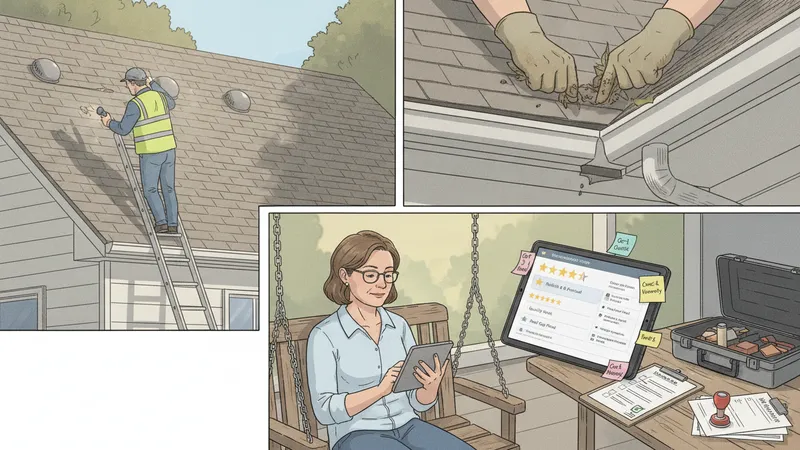
Customer feedback sources such as online reviews, direct references, and community reports may yield different perspectives on a contractor’s typical project outcomes. Reviews often describe communication, adherence to schedules, cleanup practices, and responsiveness to post-installation issues. Patterns across multiple reviews can suggest recurring strengths or areas for improvement. It is generally useful to treat individual reviews as anecdotal while seeking consistent themes that may indicate predictable practices or performance norms.
Maintenance practices influence a roof’s useful life and may include periodic inspections, gutter cleaning, and prompt attention to localized damage. Manufacturers and trade organizations often provide maintenance guidelines that can help preserve material warranties and functional performance. Contractors may offer maintenance plans or inspection services, and owners may choose to document maintenance actions to support future claims. Regular maintenance can often detect issues such as flashing gaps or ventilation problems before they escalate.
Long-term performance assessment may include observable indicators such as granule loss on shingles, rust on metal fasteners, or pooling water on low-slope membranes. These signs can suggest common aging mechanisms or installation-related issues. Periodic documentation—photographs and inspection notes—can help track changes over time and inform decisions about repairs versus replacement. While such indicators may prompt professional evaluation, they are part of an informational process rather than an absolute predictor of remaining service life.
When synthesizing feedback and maintenance considerations, it can be helpful to weigh recurring patterns rather than isolated incidents. Consistency in positive or negative reports across independent sources often carries more informational value than a single testimonial. Combining documented maintenance records with observed performance trends may yield a clearer perspective on the likely trajectory of a roof’s condition. These combined inputs may assist in setting realistic expectations for long-term upkeep and performance.