
Safety Risk Assessment Software: Key Features And Implementation Insights

Integration and Scalability Considerations
Many risk-assessment software platforms are designed for integration with broader business systems. Connecting safety data to HR platforms, training record systems, or asset-management tools can create a more holistic approach to risk management. Integration can help link training status, accident records, or equipment maintenance schedules directly with ongoing risk assessments, supporting a joined-up view of operational health and safety.
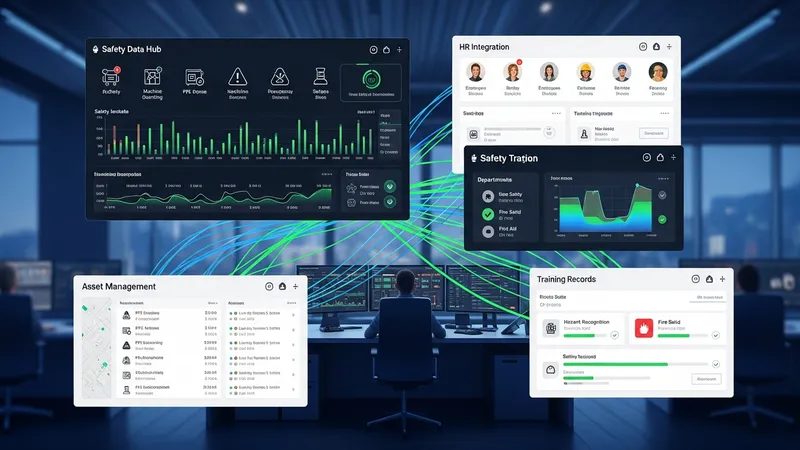
Scalability is a practical concern for businesses that anticipate growth or those managing multiple sites. Cloud-based software often allows for the addition of new locations, departments, or users with limited technical reconfiguration. This flexibility may be particularly useful for large organisations or those in highly regulated sectors needing to demonstrate central oversight.
Open API access is sometimes provided, enabling organisations to develop custom integrations with internal systems or external compliance platforms. Data migration support may also be offered as part of onboarding, assisting businesses in transferring historical risk records from legacy paper or spreadsheet systems without losing continuity of evidence.
The ability to scale and integrate efficiently is also relevant for reporting; organisations may need to consolidate risk data from diverse sources to provide unified management dashboards or board-level updates. A strong integration framework helps keep safety data accessible and actionable across business processes.