
Secured Business Credit Cards: Building Business Credit With A Security Deposit

Account management and responsible use when building business credit with a refundable deposit
Maintaining a disciplined payment schedule is a common factor in how secured accounts may contribute to credit development. Timely payments typically create clearer records of credit performance, whereas missed or late payments can be recorded negatively. Monitoring statements and reconciling transactions each billing cycle can reduce the risk of disputes or overlooked balances. Businesses may find it useful to align billing dates with cash flow patterns to support consistent payments, although timing strategies should be considered in light of overall cash management practices rather than as a prescriptive method.
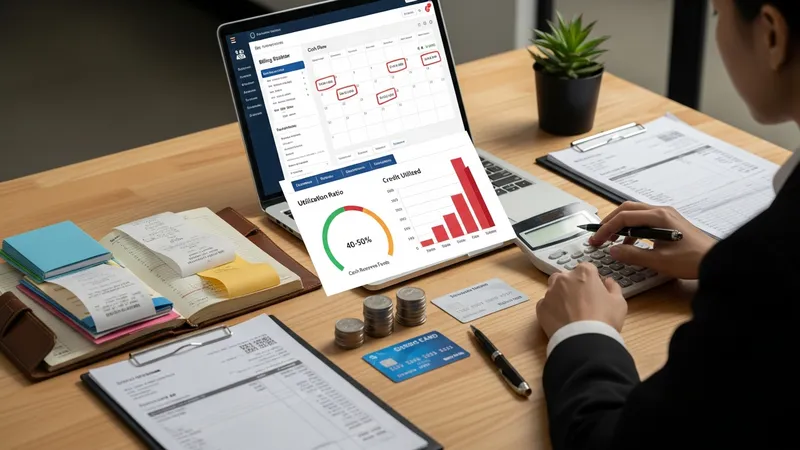
Utilization ratios—the relationship between outstanding balances and available credit—often appear on credit reports and may influence credit assessments. Keeping utilization at moderate levels may present a more conservative credit profile; conversely, consistently high utilization can be viewed as elevated credit stress. Since a secured account’s available limit is often set by the deposit, the proportion of deposits to spending needs can determine how easily utilization is managed. Planning deposit size relative to expected monthly expenses may therefore affect how utilization levels are expressed on reports.
Separation of personal and business expenses supports clearer accounting and may ease the interpretation of credit records. Using the secured business account exclusively for business-related purchases, maintaining receipts, and classifying transactions in bookkeeping systems can make credit activity more transparent. For businesses seeking to establish an independent commercial presence, consistent use of business identifiers when ordering or transacting may help align statements with business records, though reporting practices ultimately depend on the issuer and bureau policies.
Over time, some issuers may review account performance for promotions or product changes that adjust terms or limits. While these transitions can reduce reliance on an initial deposit, outcomes are issuer-specific and may involve review of payment history, account age, and overall relationship. Businesses should treat potential upgrades as possibilities rather than expected events and monitor their accounts and statements to understand how changes might be handled operationally by their provider.