
Small Business Ideas In The USA: Practical Options For New Entrepreneurs

Startup Costs and Budgeting for Small Business Ideas in the USA
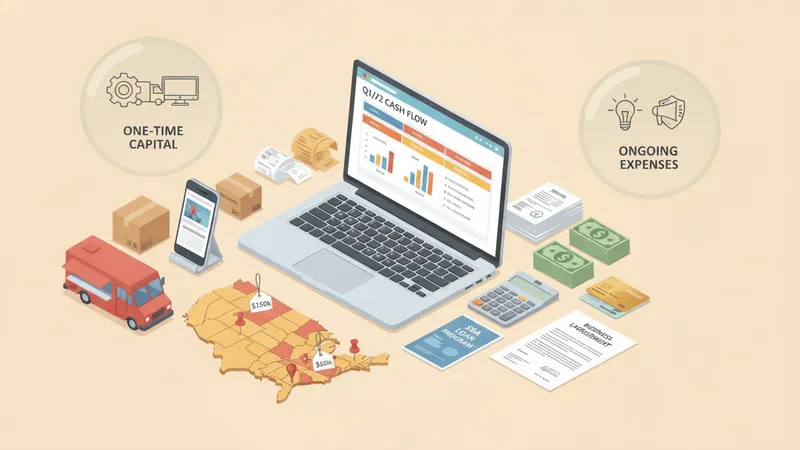
Estimating startup costs for small business ideas in the United States often begins by separating one-time capital expenses from ongoing operational costs. One-time expenses may include equipment, initial inventory, vehicle purchase for mobile services, or website development. Ongoing expenses typically include rent or hosting, utilities, supplies, insurance, and marketing. For many home-based sellers, initial website setup and inventory might typically fall under $2,000, while a small food truck or café could often require tens of thousands of dollars. These figures may vary significantly by state and city.
Funding sources commonly used by U.S. small business founders include personal savings, bank loans, credit lines, and government-supported options such as SBA microloans or community lender programs. The U.S. Small Business Administration provides resources and links to lenders that may support smaller capital needs. Entrepreneurs often prepare a conservative three- to six-month cash-flow projection showing projected sales, cost of goods sold, and fixed expenses to anticipate near-term funding needs and break-even timing.
Budgeting best practices often emphasize separating personal and business accounts, maintaining simple bookkeeping from the start, and tracking actual spending against projections. Tools such as cloud accounting services may reduce manual overhead and help with tax reporting. New owners may typically plan for contingency reserves because unplanned expenses or slower-than-expected sales can extend the time to break even. State sales tax registration and sales tax collection should also be budgeted for where applicable.
Price-setting considerations include covering production or service delivery costs, marketplace and payment processing fees, and a margin that reflects local competitive conditions. For professional services, hourly rates often reflect local market demand and practitioner experience. For product sellers on platforms like Etsy or Amazon, fee structures and shipping costs commonly enter pricing calculations. Monitoring gross margin and adjusting pricing iteratively may help ensure sustainable operations without relying on promotional claims or unsustainable discounts.