
Tech Tools For Business: Understanding Digital Solutions For Modern Operations

Security, Compliance, and Risk Management for Digital Tools
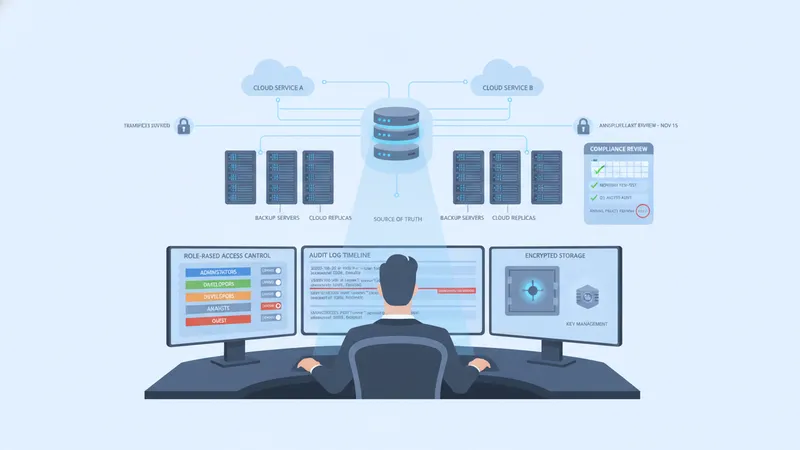
Access control and least-privilege principles often guide configuration of business tools. Role-based access control (RBAC) lets administrators limit sensitive actions to appropriate roles while preserving operational efficiency. Audit logging and activity trails commonly provide visibility into administrative actions and user activity. Regular review of access lists and periodic audits may surface unnecessary privileges. These practices typically support both internal governance and external compliance needs without implying any specific legal outcome.
Data protection measures such as encryption at rest and in transit often form part of baseline technical controls. Many tools provide transport-layer security and support for encrypted storage; however, the configuration and key management approach can vary. Backup and retention policies may address operational resilience and recovery needs. When integrating multiple tools, consideration of how backups are coordinated and which system is the source of truth for a data object can reduce recovery complexity following a disruption.
Compliance requirements vary by sector and jurisdiction, and tools may include features to assist compliance rather than guarantee it. Privacy controls, consent capture, and data deletion workflows commonly support privacy-related obligations where applicable. Organizations frequently consult legal or compliance specialists to interpret regulatory obligations and translate them into tool configuration and operational processes. Risk assessments may prioritize which systems require heightened controls based on data sensitivity and business impact.
Third-party vendor risk often factors into tool selection and ongoing oversight. Vendor questionnaires, SOC reports, or documented security controls may inform risk reviews. Contractual terms concerning data processing, incident notification timelines, and liability often influence how organizations allocate responsibilities. Maintaining an inventory of vendors and the types of data they handle is a frequent operational practice to support governance and incident response planning.