
Telehealth Platforms For Therapists: Key Features, Functions, And Clinical Use

Clinical workflows, documentation, and practice considerations for remote therapeutic care
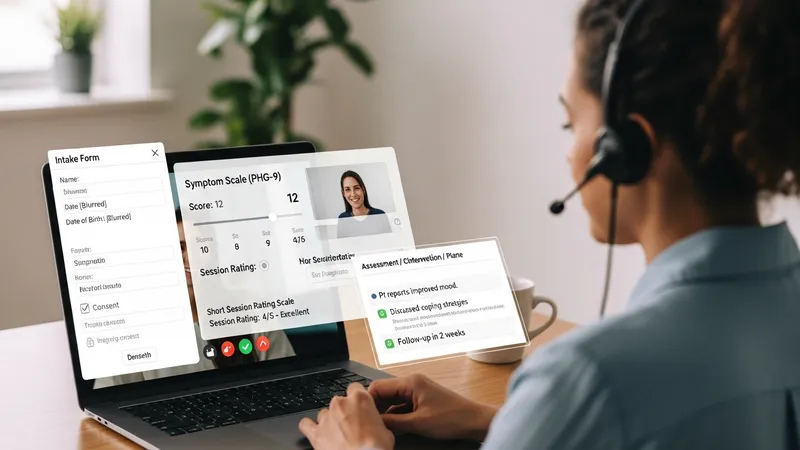
Clinical workflows in remote settings commonly adapt in-session processes and pre/post-session tasks. Intake workflows may collect demographic data, consent for remote care, and baseline assessment measures before the first appointment. During sessions, clinicians may use digital tools for questionnaires, screen sharing for psychoeducation, and outcome measures to track progress over time. Post-session notes often combine narrative observations with structured fields to capture interventions and follow-up plans; templated notes may reduce administrative burden while supporting consistent documentation.
Assessment and measurement tools are frequently integrated or supported through attachments and links. Standardized symptom scales, functional assessments, and session rating scales may be embedded within the client portal or administered via secure surveys. Measurement-based care workflows that capture repeated measures can assist clinicians in monitoring treatment response; platforms that support longitudinal tracking and export of scores may facilitate supervision and quality monitoring without asserting specific clinical benefits.
Adapting clinical technique and managing therapeutic boundaries are practical considerations. Clinicians may develop local protocols about session start and end processes, contingency plans for disconnection, and methods for verifying client identity when needed. Some practitioners document technical checks and emergency contact details in the record. Training resources, simulated sessions, and peer review may support clinicians in refining remote-specific competencies while ensuring that documentation reflects clinical reasoning and risk management.
Accessibility and equity considerations often affect platform choice and workflow design. Client access to reliable internet, appropriate devices, and private spaces can vary, so platforms that offer low-bandwidth options or telephone fallback may increase participation. Language support, captioning, and compatibility with assistive technologies can also influence accessibility. Recording decisions, client consent for recordings, and storage policies should be clearly documented in line with local rules and professional expectations.