
The Real World AI: Understanding Practical Applications And Use Cases

Operational, Data, and Governance Considerations for Real-World AI
Practical AI implementations depend heavily on data quality and governance. Establishing clear data lineage, ownership, and access controls can reduce ambiguities during model development and audits. Data preprocessing standards and agreed-upon labeling schemas help maintain consistency across annotation efforts. Monitoring pipelines may track feature distributions and missing-data rates so that teams can detect data drift or collection issues early. These practices typically support more reliable model behavior over time.
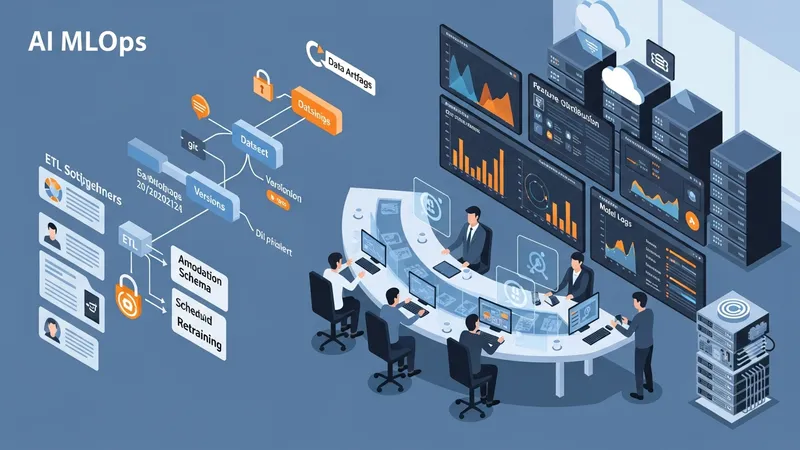
MLOps and deployment patterns address reproducibility and scalability. Versioning of datasets, model artifacts, and deployment configurations supports traceability and rollback when necessary. Automated testing of model performance, integration tests with downstream systems, and scheduled retraining pipelines are commonly used to maintain production readiness. Observability tools that log inputs, predictions, and model health metrics can inform maintenance schedules and incident response.
Risk, fairness, and privacy considerations often shape model design and operational constraints. Privacy-preserving techniques such as differential privacy, data minimization, or secure enclaves may be applied when handling sensitive information. Fairness assessments and bias mitigation steps can help identify disparate impacts, and documenting these analyses supports accountability. Regulatory compliance and sector-specific rules may further inform how models are permitted to operate and what documentation is required.
Long-term sustainability of AI solutions typically requires cross-functional governance, clear performance targets, and iterative evaluation. Stakeholder engagement to define acceptable error rates, interpretability requirements, and escalation paths for anomalous outputs supports alignment with organizational goals. Regular reviews of value delivered, operational costs, and ethical implications may guide decisions on continued investment or modification of deployed systems.