
Understanding Medical Equipment: Types, Uses, And Industry Standards

The Hidden Costs No One Talks About
When it comes to medical equipment, price tags don’t just include the device itself. The costs of regular maintenance, technician training, and regulatory compliance form a significant part of hospital budgets. Surprisingly, some hospitals spend nearly a third of their annual funds just on equipment upkeep! Imagine what could be achieved if these costs were optimized.
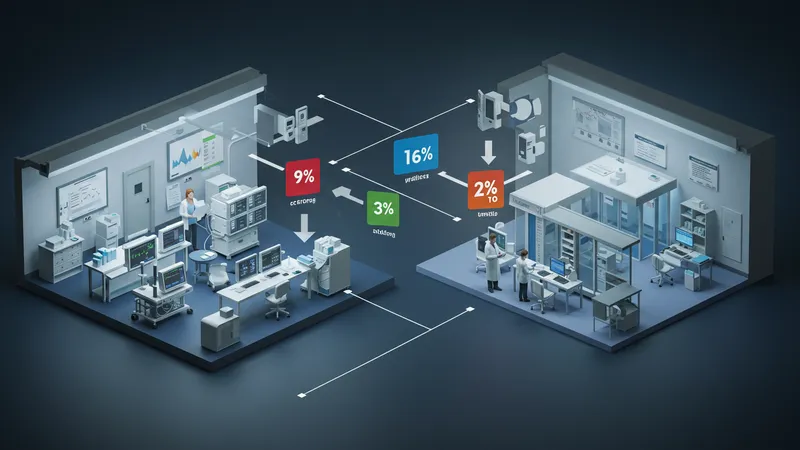
The heart is just a pump, but its monitoring requires sophisticated technology. Heart monitor prices can range widely, but what does it mean for smaller clinics with tighter budgets? As demand grows, so does the disparity between state-of-the-art and less advanced clinics. But there’s one more twist to this tale…
Beyond the financial burden, outdated devices pose serious risks. A report found that 15% of medical equipment in developing countries is dysfunctional! Yes, you read that right. This can lead to catastrophic diagnostic errors or treatment failures. But what you read next might change how you see this forever.
Industry insiders are pushing for modular designs—tools that grow with technology to prevent obsolescence. Imagine a world where equipment could be easily updated rather than replaced entirely. Can this innovation redefine healthcare economics? Stay tuned as we delve deeper…