
Window Replacement Companies: How To Research Local Providers Near You

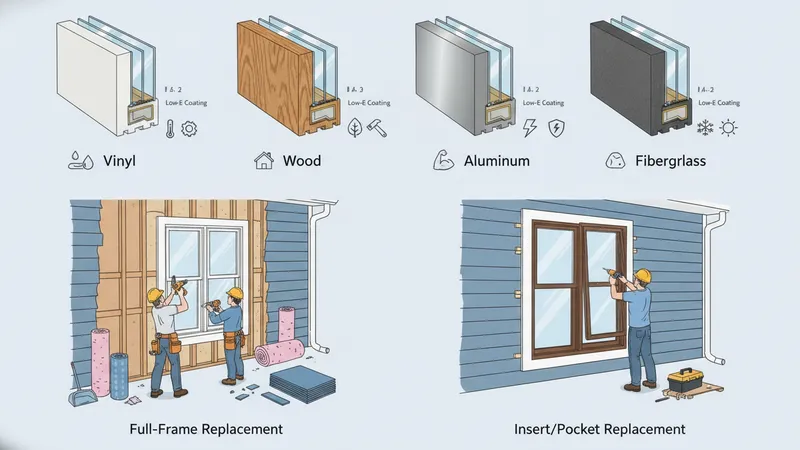
Comparing window materials and common installation methods
Window replacement research often addresses the properties of common frame and glazing materials. Widely used materials may include vinyl, wood, aluminum, and fiberglass, each with typical strengths and maintenance considerations. Vinyl often emphasizes low maintenance and cost-effectiveness; wood can offer traditional aesthetics but may need more maintenance; aluminum may provide structural strength with slimmer profiles; fiberglass can combine dimensional stability with moderate maintenance. Understanding these material attributes may help clarify trade-offs between durability, appearance, thermal performance, and long-term maintenance needs.
Installation methods commonly discussed in local research include full-frame (complete unit removal) and insert or pocket replacement (retrofitting a new unit into an existing frame). Full-frame installations often require more extensive exterior and interior finishing and may be recommended where frames or surrounding trim are deteriorated. Insert replacements can be less invasive when existing frames are sound. Both approaches may affect project duration, cost composition, and the need for additional repairs; in-person evaluation typically determines which method is appropriate for specific openings.
Glazing options such as double-pane, triple-pane, low-emissivity coatings, and gas fills may also be compared during research. These features can influence thermal and acoustic performance, condensation behavior, and potential energy-effect relationships. Product literature often specifies U-factor and solar heat gain coefficient values that may be compared to understand likely thermal characteristics; however, field performance can vary with installation quality. Considering both product specifications and the proposed installation approach can yield a more balanced view of expected operational characteristics.
When comparing materials and methods, it may be useful to request product data sheets and installation details from each provider. These documents often specify manufacturer recommendations for flashing, fastener placement, and sealants—elements that can influence long-term performance. Cross-referencing manufacturer installation guidelines with the contractor’s described approach may reveal alignment or differences in technique. Such comparisons typically serve to clarify whether quoted methods match accepted installation practices for the chosen product type.