
Auto Insurance: Introduction To Comparing Features Across Multiple Policy Options

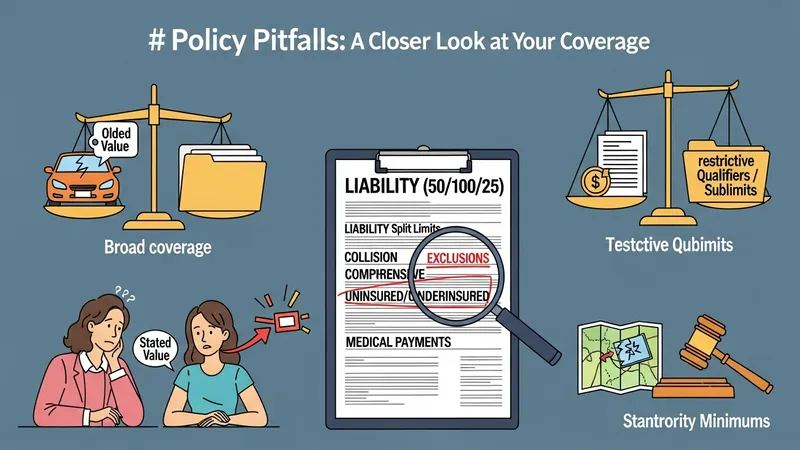
Policy types and coverage components for comparing features
One central area for comparison is the set of policy types and the coverage components they include. Common components to examine are liability coverages (often expressed as split limits), collision, comprehensive, uninsured/underinsured motorist protection, medical payments or personal injury protection, and any jurisdiction-specific mandatory elements. When comparing policies, look at how each component is defined and whether limits are per person, per accident, or aggregate. Variations in definitions, sublimits, or statutory minimums can affect the level of protection offered in different scenarios.
Coverage exclusions and conditional language are aspects that frequently differentiate policies with similar named coverages. For instance, a comprehensive coverage may exclude certain perils or have particular provisions for theft or vandalism that differ by insurer. Collision coverage may include limitations regarding custom parts or stated-value options for older vehicles. Comparing the exact contract language relating to exclusions, conditions, and definitions can reveal whether a coverage operates broadly or with restrictive qualifiers that could reduce protection in specific events.
Endorsements and riders can expand or narrow the core coverage and are central to apples-to-apples comparisons. Common endorsements include rental reimbursement, roadside assistance, gap coverage, and new-vehicle replacement for a limited period. These items often carry separate premiums or may be included in certain policy packages. When evaluating optional add-ons, it can be useful to note whether similar endorsements are available across the policies being compared and how their scope or waiting periods differ.
Policy periods, renewal terms, and cancellation provisions also affect comparative analysis. Some policies renew automatically with the same terms, while others may be subject to mid-term adjustments due to underwriting changes. Cancellation and nonrenewal clauses, and any stated notice periods or premium adjustment practices, can influence the long-term stability of coverage. Considering these administrative terms alongside the core coverages provides a more complete view of how a policy will perform over time.