
Automatic Invoicing: How It Works And Key Features Explained

Types of automated invoice generation and methods related to Automatic Invoicing: How It Works and Key Features Explained
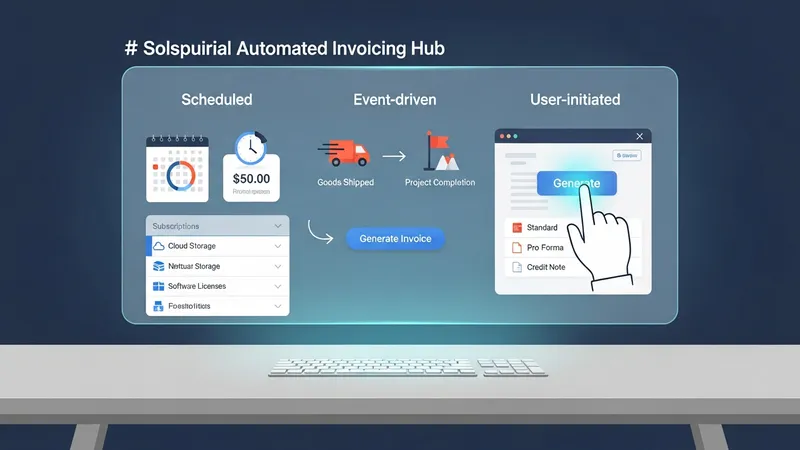
One category groups solutions by trigger type: scheduled, event-driven, and user-initiated. Scheduled generation executes on a fixed cadence and is common for subscription billing. Event-driven generation ties invoice creation to transactional events such as delivery confirmation or project milestone approval. User-initiated automation offers templated workflows that a user can launch with pre-filled data. Each method may integrate differently with upstream systems; choosing among them typically depends on the nature of revenue recognition and operational flows.
Template and formatting strategies often separate presentation from transactional data. Templates define how charges, taxes, and totals are displayed, while mappings pull in the specific values. This separation can support multi-language or multi-currency layouts in systems that require it. Support for conditional fields and line-level notes can help align invoices with contractual language. Systems that permit versioned templates may help maintain compliance as terms evolve without changing stored transactional data.
Data sources for automated invoicing usually include order management, subscription platforms, time-tracking systems, and CRM records. Mapping logic may transform source records into invoice line items and apply pricing rules. When time-based inputs are used, such as hours logged or consumption metrics, aggregation logic typically summarizes usage into billable units. Integration reliability is often a practical concern; systems may offer retries, logging, and reconciliation reports to ensure source-to-invoice consistency.
Selection criteria commonly considered when evaluating methods include compatibility with existing systems, support for regulatory requirements, and the ability to handle exceptions. Organizations often assess the ease of configuring rule sets, the availability of audit logs, and the granularity of controls for approvals. Practical considerations like expected invoice volume and the frequency of pricing changes can influence which generation methods are most appropriate. Continued monitoring and occasional rule adjustments may be required to keep automated rules aligned with business processes.