
Brokerage Accounts And Trading Platforms: Key Features And How They Work

Account types and access in brokerage accounts and trading platforms
Account types available through the models described above typically include individual taxable accounts, joint accounts, retirement accounts, and custodial accounts for minors. Each account type may carry specific tax reporting formats and regulatory limits: for instance, retirement-designated accounts often have contribution and withdrawal rules that affect tax treatment. Platforms may restrict certain products by account type — for example, some brokers limit access to margin or certain derivatives in retirement accounts. When opening an account, identity verification and documentation requirements often apply as part of anti-money-laundering and know-your-customer procedures.
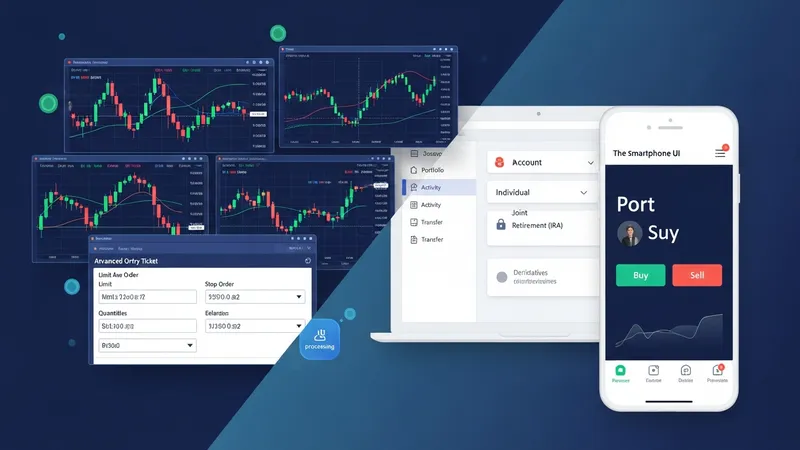
Access mechanisms vary: web-based portals, desktop applications, and mobile apps are common, and each may expose different feature sets. Desktop platforms frequently offer more advanced charting and order-entry tools suitable for active traders, while mobile apps emphasize portability and core functions like order entry and balance checks. APIs are sometimes available for programmatic access, enabling algorithmic trading or custom reporting. Access permissions within accounts can also be configured for multiple users, power-of-attorney arrangements, or institutional access for advisory relationships.
Custody arrangements and clearing processes underpin account access and settlement timelines. Most brokerage firms use a clearing agent to settle trades and record ownership; settlement cycles for equities and funds typically follow industry norms and may affect when funds become available for withdrawal or subsequent trades. Platforms commonly display settled versus unsettled cash to help avoid accidental free-riding or restricted activity. Understanding the interplay between account type, custody, and settlement can clarify liquidity timing and permissible actions within a given account.
Operational considerations include funding methods, transfer tools, and account portability. Platforms usually support linked bank transfers, wire transfers, and in-kind transfers from other custodians, each with differing timelines and possible fees. Some providers offer electronic transfer services designed to streamline account-to-account moves, while others may require manual paperwork for certain types of transfers. These practical elements can affect onboarding timeframes and the ease with which existing positions are consolidated or migrated between providers.