
Consolidation Loans: How Combining Debts Into One Payment Works

Loan structures and repayment formats for consolidation
Consolidation can be delivered through several loan structures that influence repayment predictability and cost. Fixed-term instalment loans convert a set of outstanding balances into a loan with a defined term and regular principal-plus-interest payments, offering predictability in when the debt will be repaid. Revolving credit transfers maintain variable cycles and require ongoing management to avoid new revolving balances. Secured formats may offer longer terms and lower nominal rates but introduce collateral-related considerations. Understanding the structural differences helps assess how each option aligns with cash-flow and risk preferences.
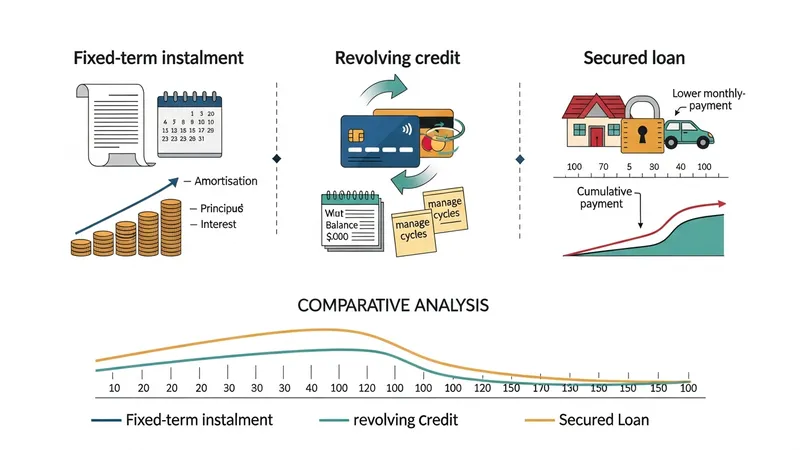
Amortisation schedules differ by structure and directly affect how much of each instalment reduces principal versus paying interest. Fixed-term amortising loans typically shift more payment toward principal over time, while revolving structures can permit minimum payments that prolong balances. Secured loans with longer terms may produce lower monthly instalments but can result in higher cumulative interest if the term extends substantially. Evaluating sample amortisation scenarios may help illustrate potential outcomes without assuming any single result.
Loan documentation and contract terms often specify prepayment, default, and refinance conditions that influence long-term flexibility. Some lenders permit additional payments without penalty, which may shorten the term and reduce total interest; others include prepayment fees. Default provisions can vary and may be more consequential for secured arrangements. It is informative to compare contractual terms across providers, focusing on repayment schedule mechanics, prepayment treatment, and late-payment consequences rather than relying only on headline rate figures.
Insider considerations include reviewing whether consolidation will close or leave open original accounts, since open accounts may affect ongoing available credit and utilisation calculations. Another practical detail is whether the consolidation loan requires mandatory payment allocation rules or allows borrower discretion for extra payments. These elements can affect both short-term cash-flow planning and longer-term repayment outcomes; assessing them can clarify which structure aligns with a borrower’s repayment objectives.