
Dental And Vision Insurance: Key Considerations For Small Business Owners

Coverage types and tiers in dental and vision insurance for small business owners
Dental and vision coverage types typically fall into identifiable tiers that small business owners can compare for cost and scope. For dental, tiers often include preventive services (cleanings, exams), basic restorative services (fillings, simple extractions), and major restorative services (crowns, bridges, implants in some plans). Vision coverage commonly separates diagnostic exams from corrective products like lenses and frames, sometimes offering allowances for standard lens types and tiered pricing for premium lens options. Awareness of these categories may help align benefit design with expected employee needs.
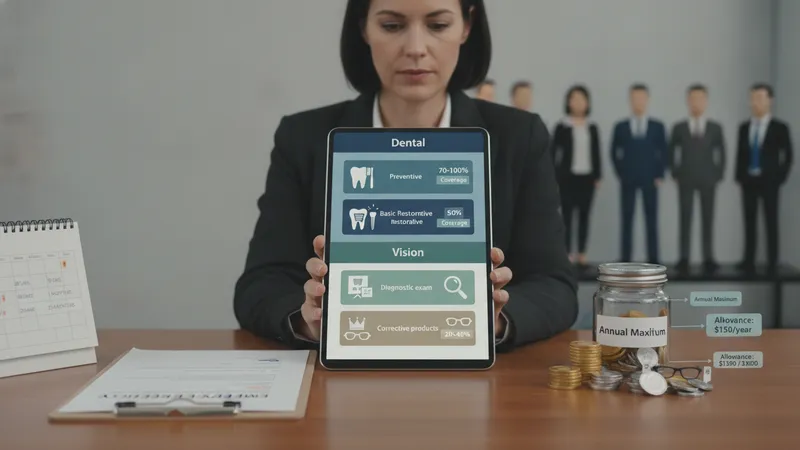
Waiting periods and staged coverage can apply across tiers, especially for major dental services; these rules commonly mean that certain benefits become available only after an initial enrollment period. Annual maximums for dental coverage may cap insurer payments and can affect the level of protection for costly procedures. Vision plans may limit frame or lens allowances to an interval such as every 12 or 24 months. Small employers should consider how these structural features could influence utilization patterns among employees.
Plan documentation often includes example scenarios or fee schedules that illustrate how coverage applies in practice. Reviewing sample benefit grids that show percentage coverage by service tier, deductible applicability, and timing can clarify expectations. For vision benefits, sample allowances and co-insurance levels for contact lenses versus eyeglasses can indicate the relative value of options. These examples may assist employers in communicating realistic expectations to employees without implying guarantees about individual out-of-pocket amounts.
Comparing tiered designs across multiple plan options can reveal trade-offs between premium cost and breadth of covered services. A plan emphasizing preventive coverage with higher employer contribution may reduce routine care barriers, while plans with higher premiums but broader major service coverage may mitigate financial exposure for costly procedures. Such trade-offs often reflect organizational priorities and budget constraints and may influence long-term employee satisfaction with the benefits package.