
GE Vscan Air Ultrasound: Overview Of Handheld Point‑of‑Care Imaging

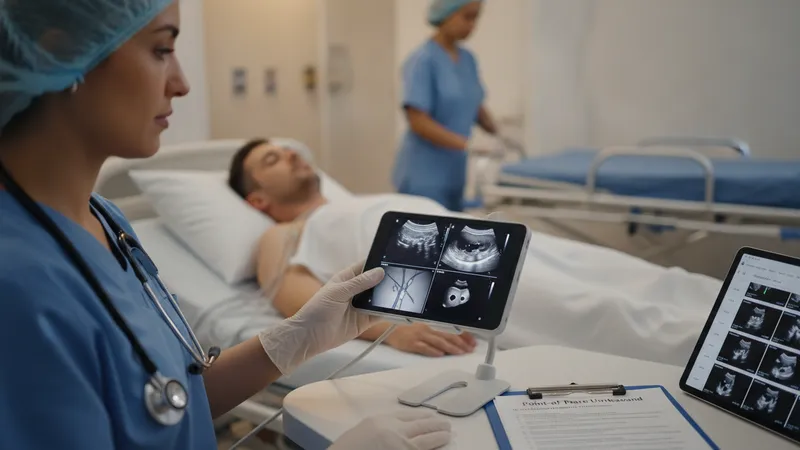
Clinical applications and workflow integration of handheld ultrasound
Handheld ultrasound devices are frequently used for focused, point-of-care applications where rapid visual information augments a physical assessment. Common use cases include limited cardiac windows for gross ventricular function assessment, lung evaluations for pleural motion or effusion, guidance for vascular access, and quick abdominal checks for free fluid. In many settings, handheld devices act as an extension of the physical exam and may shorten time to initial assessment; however, they typically complement rather than replace comprehensive diagnostic imaging when detailed evaluation is required.
Workflow integration addresses when and how these devices are used during patient encounters. Protocols may define specific indications for handheld scans, documentation standards for image capture, and escalation pathways when findings suggest additional imaging. In outpatient clinics, handheld scans can support same-visit decision discussions by providing immediate visual context. In emergency or transport settings, rapid assessments that identify gross abnormalities may influence triage and immediate management planning, though confirmatory imaging on full systems may be needed for definitive evaluation.
Training and competency frameworks influence safe and effective use in clinical practice. Educational programs for handheld ultrasound often focus on probe handling, basic image acquisition, and interpretation of common focused views. Competency assessment may include supervised scanning, review of stored images, and alignment with institutional scanning protocols. Ongoing quality assurance activities—such as periodic image audits or peer review—may help maintain consistent image quality and appropriate use across teams or departments.
Operational policies can include device assignment, sterilization or disinfection methods, and data governance measures. Facilities commonly document acceptable use cases, image retention timelines, and responsibilities for software updates or maintenance. Clear documentation and training expectations help ensure that handheld imaging supports clinical workflows in a way that is consistent, auditable, and aligned to broader imaging governance frameworks without implying diagnostic replacement of conventional imaging studies.