
High Viscosity Pumps: Key Design Features And Operating Principles

Materials and wetted-component choices for handling viscous fluids
Material selection for wetted components must align with fluid chemistry, solids content, and operating temperature. Stainless steels (e.g., austenitic grades) are commonly used for corrosion resistance, while hardened alloys or surface treatments may be specified where abrasive solids are present. Elastomeric stators and seals are chosen for chemical compatibility and hardness; nitrile, fluorocarbon, and PTFE-based compounds are frequently considered depending on fluid composition. Compatibility charts and laboratory exposure tests often inform these choices to reduce unplanned degradation in service.
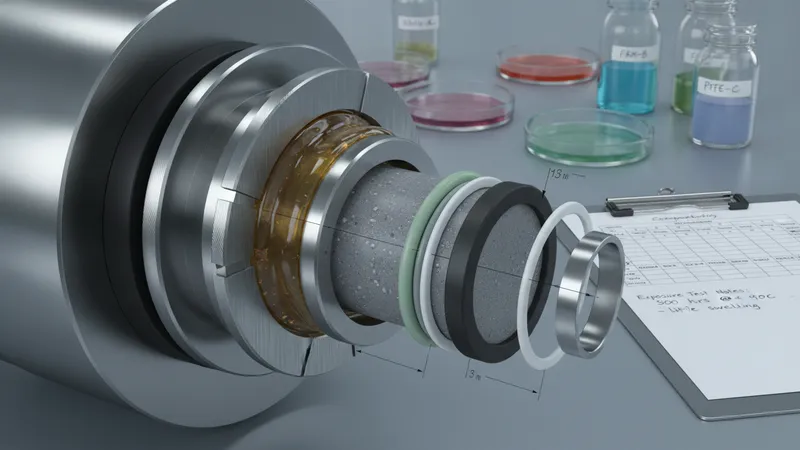
Surface finish and dimensional tolerances influence pumping behavior of thick liquids. Smoother surfaces reduce adhesion and fouling for sticky fluids, while precise machining tolerances help control internal leakage that affects volumetric accuracy. Designers may specify electropolishing or protective coatings for certain food-grade or adhesive applications to reduce build-up. When solids are expected, designers balance clearance tightness with the risk of entrapment and abrasion; replaceable wear sleeves or hardened inserts can extend component life without implying a universally optimal solution.
Elastomer selection for stators and seals is a trade-off between sealing efficiency and wear resistance. Softer elastomers can form better seals in progressive cavity geometries, improving low-flow performance, but tend to abrade faster when solids are present. Elastomer resilience at elevated temperatures is also critical if heating is used to lower viscosity. For applications where chemical swelling is a concern, PTFE linings or metal-seated designs are sometimes specified. These choices are framed as situational considerations rather than blanket recommendations.
Corrosion and compatibility assessments may include practical tests and vendor-provided data sheets. Engineers frequently review material chemical resistance lists and consider periodic sampling after in-service exposure. Where foaming, oxidation, or polymerization risks exist, inerting or controlled atmosphere measures at the suction side may be discussed as protective options. These preventive approaches are part of a holistic specification process that aligns material choices with expected operational stresses.