
Home Pest Removal: Practical Methods For Managing Common Household Pests

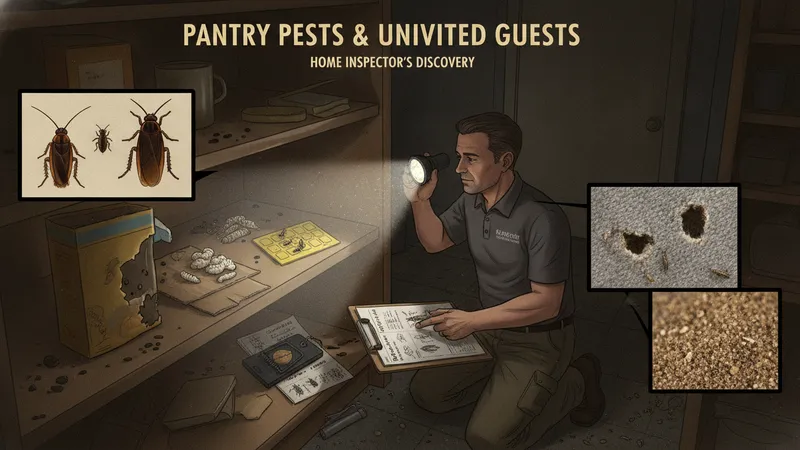
Pest identification and inspection methods for household pest management
Accurate identification is a foundational component of practical in-home pest management. Visual cues such as droppings, chew marks, shed skins, or characteristic damage patterns can indicate whether the issue involves rodents, stored-food pests, cockroaches, or fabric pests. In some cases, photographed specimens or samples can be compared with authoritative online resources or field guides to refine identification before selecting control options. Understanding life stages—for example, larvae versus adult insects—often affects which interventions may be effective.
Inspection methods may include systematic room-by-room checks, focused searches in likely harborage areas (kitchens, basements, attics), and monitoring tools such as sticky cards or traps placed in suspected activity zones. Timing of inspections can matter: nocturnal species are more likely to be detected by signs rather than daytime observations. Documenting the location, frequency, and type of signs can help distinguish between incidental visits and established infestations that require broader measures.
Some household monitoring devices are intended for diagnostic use rather than long-term control; for instance, pheromone traps for stored-product moths help confirm presence and relative abundance. Traps used for rodents can simultaneously reduce numbers and indicate travel routes based on where catches occur. Data from monitoring should be interpreted conservatively, and patterns may prompt additional exclusion or sanitation work instead of immediate chemical interventions.
When inspections reveal structural vulnerabilities—gaps around utility entries, damaged screens, or voids in building fabric—these become priorities for exclusion work. Small changes like sealing crevices with appropriate materials, installing mesh over vents, and securing food storage can reduce reinfestation risk. These measures often complement any targeted treatments applied and may lower the frequency with which other controls are needed.