
Home Pest Removal: Practical Methods For Managing Common Household Pests

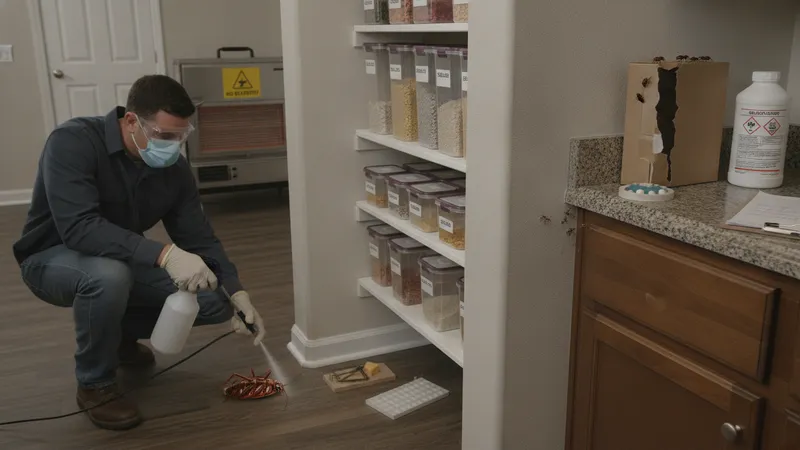
Treatment methods and material categories for household pest control
Treatment options for residential pests fall into several material categories that differ in mode of action, persistence, and appropriate application contexts. Contact pesticides provide immediate knockdown of exposed insects but may have limited residual effect in exposed surfaces. Baits are designed to be taken back into harbourage sites and can be effective against social insects or rodents when placed correctly. Physical devices—traps, heat treatments, or freezing—offer non-chemical alternatives for certain pests or infested items.
Selection among materials often requires consideration of occupant safety and the specific behaviour of the pest. For instance, baiting strategies for ants typically aim to target foraging workers that carry toxicants back to the colony, whereas surface spray applications may only affect visible individuals. For stored-product pests, removing and treating infested items or using sealed containers can be more effective than surface treatments alone. Labels and regulatory information provide guidance on safe application rates and re-entry intervals where applicable.
Application technique matters for effectiveness and risk management. For many contact products, treating cracks and crevices rather than open surfaces may reduce human and pet exposure while targeting pest pathways. Tamper-resistant bait stations can limit access to baits by non-targets. Non-chemical approaches such as temperature treatments or vacuuming may be useful for localized infestations of fabric pests or carpet-dwelling insects when combined with laundering or removal of infested materials.
Monitoring after treatment can indicate whether the chosen materials and placement achieved the intended reduction. Reassessment may show that additional actions—different formulations, more thorough exclusion, or habitat modification—are advisable. In multi-unit dwellings, coordination with neighbours or building managers can be necessary because pests may migrate between units, affecting the long-term effectiveness of isolated treatments.