
Lutetium-177 Side Effects: What Patients And Caregivers May Need To Know

Kidney and Liver Function Considerations with Lutetium-177
The kidneys and liver may be involved in the clearance and metabolism of radioligands, so tracking renal and hepatic laboratory values is a common element of post-treatment surveillance. Creatinine and estimated glomerular filtration rate (eGFR) are typical markers used to assess renal function, while alanine aminotransferase (ALT), aspartate aminotransferase (AST), and bilirubin can reflect hepatic status. Changes in these parameters can be subtle or more pronounced depending on cumulative exposure, preexisting organ impairment, and concomitant medications that affect organ function.
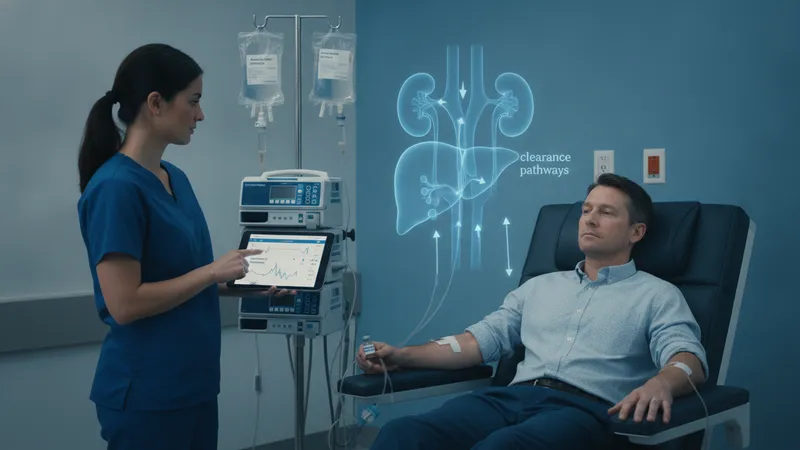
Protective measures described in clinical literature for reducing renal uptake during certain peptide-based radioligand protocols include amino acid infusions and aggressive hydration; these are procedural choices that vary by treatment protocol and institutional practice. Such measures are presented in reports as methods that may reduce renal dose in some contexts, but their use depends on the specific agent and clinical judgment. Caregivers involved in treatment sessions may observe and report tolerability of any adjunctive infusions or hydration regimens.
Timing of renal and hepatic testing often aligns with treatment cycles: a baseline panel before the first administration, short-interval checks when clinically indicated, and periodic assessments during follow-up. Detecting early shifts in organ function enables clinicians to adjust dosing schedules or consider alternative supportive strategies. For patients with preexisting moderate to severe kidney or liver impairment, care teams commonly document baseline stability and discuss monitoring expectations more frequently.
Interpretation of organ-function changes requires attention to potential confounding factors such as dehydration, intercurrent illness, or interacting medications. A trend of slowly rising creatinine or transient enzyme elevations may prompt repeat testing and clinical correlation rather than immediate attribution to therapy alone. Caregivers who track fluid intake, medication changes, and symptoms like jaundice or reduced urine output can provide useful context for these assessments.