
Pharmacy POS Systems: How Integrated Software Supports Dispensing And Sales

Core Functional Components of Pharmacy POS Systems
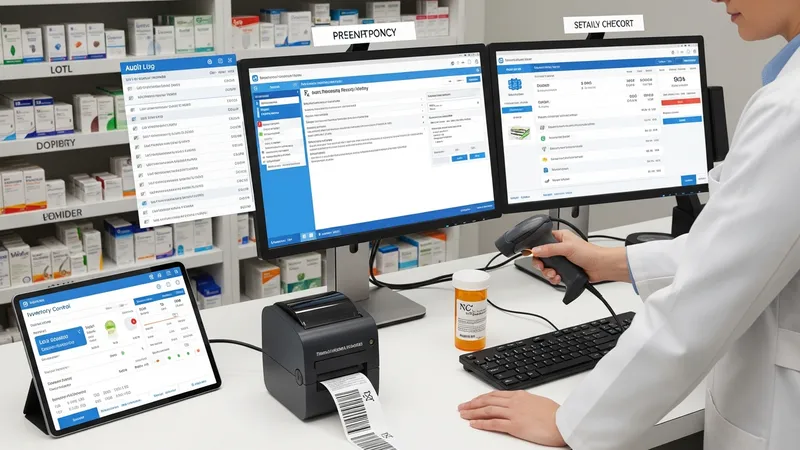
Core components typically found in pharmacy POS systems include prescription management, retail checkout, inventory control, barcode scanning, and reporting. Prescription management modules often store patient profiles, prescription histories, dosing instructions, and label templates. Retail checkout provides sales transaction processing for over-the-counter items and non-prescription goods, handling taxes and payment types. Inventory control may track quantity on hand, reorder points, lot numbers, and expiry dates. Barcode scanning is commonly used for SKU verification and dispensing checks. Reporting functions aggregate transaction and dispensing data for operational review and audit purposes.
Prescription management within a POS environment may integrate with e-prescribing systems or accept manual entries for prescriptions received on paper. This integration can facilitate medication verification by matching scanned barcodes or NDC codes to stored prescription records. Staff workflows often include verification steps where a pharmacist confirms dose and patient identity before dispensing, and the system may record who performed each step. These records can be useful for internal quality controls and for meeting regulatory audit requirements.
Inventory control in pharmacy POS systems may use real-time adjustments so that a sale or a dispensed prescription immediately updates stock counts. Systems typically offer purchase-order generation and receiving modules that mark incoming stock and reconcile expected versus received quantities. Some systems can flag low-stock or expired items, and may support periodic inventory cycles or full physical counts. These features often help align purchasing decisions with actual dispensing and sales patterns, reducing overstock or stockouts.
Reporting modules often provide scheduled or on-demand extracts of sales and dispensing activity, supporting financial reconciliation and operational analysis. Typical reports may include daily sales summaries, controlled substance dispensing logs, and inventory turnover rates. Reports can often be filtered by date range, product category, or prescriber, and may export to common formats for external review. These outputs may assist in compliance checks or supplier negotiations by presenting historical usage and sales patterns.