
POS Systems: How Point Of Sale Technology Supports Retail Operations

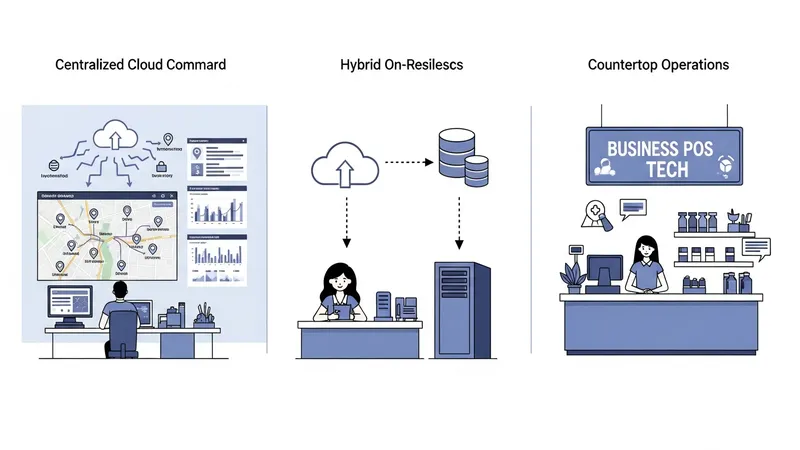
Types of POS systems and deployment models related to retail operations
Cloud-hosted point-of-sale systems often provide remote data storage, automatic software updates, and centralized device management. Retailers in multi-location settings typically use cloud solutions to maintain synchronized inventory and consolidated reporting across outlets. Conversely, on-premises deployments keep databases locally and may be used where internet access is unreliable or where data residency preferences exist. Hybrid arrangements can combine local transaction capture with periodic cloud synchronization, allowing operations to continue during short outages while still enabling centralized oversight when connectivity is available.
Mobile and tablet point-of-sale applications are frequently adopted for supplemental checkouts, events, or small-footprint stores. These applications may communicate with cloud services or local servers and typically support accessories such as mobile card readers and Bluetooth receipt printers. For fixed-terminal environments, retailers often integrate dedicated POS terminals with barcode scanners and cash drawers to support higher transaction volumes. Choice of hardware commonly reflects expected throughput, physical layout, and staff ergonomics rather than feature differences in the software itself.
When evaluating deployment models, operators may weigh factors such as scalability, maintenance burden, and total cost of ownership. Cloud models often shift upkeep to the provider and can simplify scaling to additional terminals, while on-premises solutions may require more internal IT resources. Data backup strategies, update schedules, and support access are practical considerations; for example, retailers may plan for local backup if they rely on continuous operation. These considerations typically affect operational continuity and administrative load more than core transactional functionality.
Integration with other retail systems is a common influence on deployment choice. E-commerce platforms, accounting tools, and warehouse management systems often require APIs or data export/import routines to maintain consistent records. Cloud-based POS systems may provide native connectors to popular online platforms, while on-premises setups may rely on custom integrations or middleware. Evaluating existing systems and mapping desired data flows can clarify which deployment model aligns with broader operational needs.