
POS Systems: How Point Of Sale Technology Supports Retail Operations

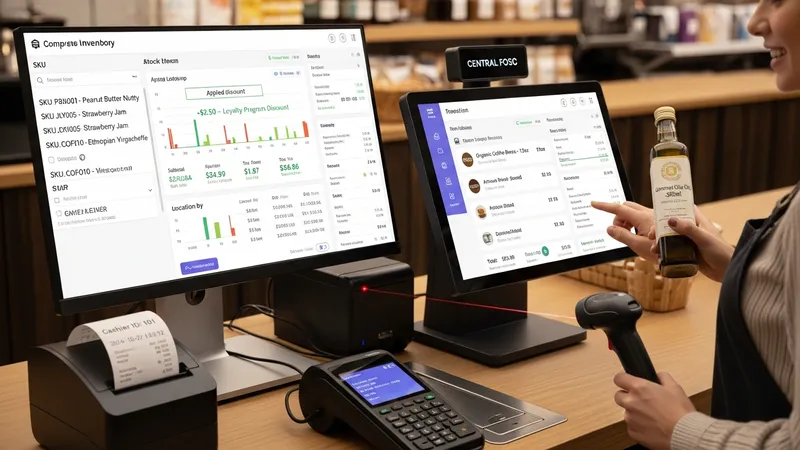
Core software features that support retail operations in point-of-sale systems
Transaction processing modules within point-of-sale software typically handle item lookups, discounts, tax calculations, and receipt generation. These modules often support multiple tender types and may record transaction metadata such as cashier ID, timestamps, and transaction notes. For returns and exchanges, systems commonly track original sales references and may restrict actions based on configured permissions. Such controls can be useful for loss prevention and audit trails, although their effectiveness depends on consistent application of defined workflows by staff.
Inventory features commonly include stock level tracking, SKU management, and location-based quantities. Advanced modules may add features like batch or lot tracking, serialized items, and automated reorder suggestions driven by historical sales velocity. Integration with barcode systems reduces manual entry errors and can speed receiving and point-of-sale scanning. Retailers often find that inventory accuracy improves with disciplined receiving procedures and periodic cycle counts; POS tools usually provide transaction logs that support reconciliation activities.
Sales reporting and analytics components aggregate transaction data to provide insights such as category performance, peak selling times, and product-level profit margins when cost data is provided. Reporting frequency can range from real-time dashboards to scheduled daily or weekly exports. These outputs may inform staffing plans and merchandising decisions, but they typically require alignment between reporting parameters and operational definitions (for example, how discounts or promotions are recorded). Clear definitions of metrics help ensure reports are interpreted consistently.
Customer management functions within POS solutions may capture contact details, purchase history, and loyalty program interactions. When used, loyalty features can track points, rewards, or membership tiers tied to transactions processed through the system. Privacy and data protection considerations often accompany customer data retention; operators typically adopt policies on data access, retention periods, and consent. Linking customer records to sales data can provide context for returns, targeted communications, and lifetime value assessment, provided such practices comply with applicable data protection norms.