
VoIP Systems For Small And Medium Businesses: Key Features And Core Components Explained

Core components in VoIP systems for small and medium businesses
Endpoints and provisioning tools form the visible surface of a communication system for smaller organisations. Endpoints may include desk phones, softphone applications, and mobile clients; provisioning systems automate user creation and profile distribution. For call control, organisations may choose a locally hosted PBX application or a cloud-based control plane. Hosted control can reduce on-site maintenance, while on-premises software may allow tighter integration with local systems. Media gateways and SIP trunks often provide interconnection to external telephone networks and may be provisioned per channel or per concurrent call.
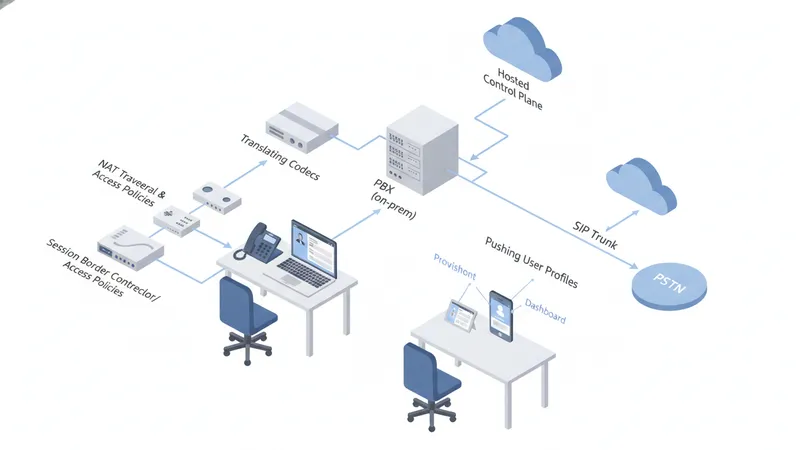
Hardware and software components interact with the local network and Internet to carry voice traffic. Media gateways handle protocol or codec translation when calls cross domain boundaries. Session border controllers can be deployed to manage signalling and media edge security, including NAT traversal and access policies. Some vendors combine multiple functions in a single appliance suitable for small sites, which may simplify initial deployments but can require careful capacity planning if call volumes grow.
Operational cost factors typically include per-user licensing for hosted services, concurrency-based charges for SIP trunks, and one-time capital costs for hardware phones or on-premises servers. Monthly per-user service fees may vary widely depending on included features, and per-channel trunking fees can affect peak-hour costs. Organisations often model expected call concurrency and growth to estimate capacity needs before selecting trunk bandwidth or on-premises hardware to avoid under-provisioning during busy periods.
Interoperability and standards support are central to long-term maintainability. Widespread adoption of SIP and RTP for signalling and media means many endpoints and providers can interoperate, but vendor-specific extensions or proprietary features can complicate migrations. When planning, teams may review supported codecs, signalling extensions, and configuration options to ensure devices and services can be integrated without extensive customisation. This assessment often reduces unforeseen integration work during rollout.