
Workforce Management Software: Key Features And Core Functions Explained

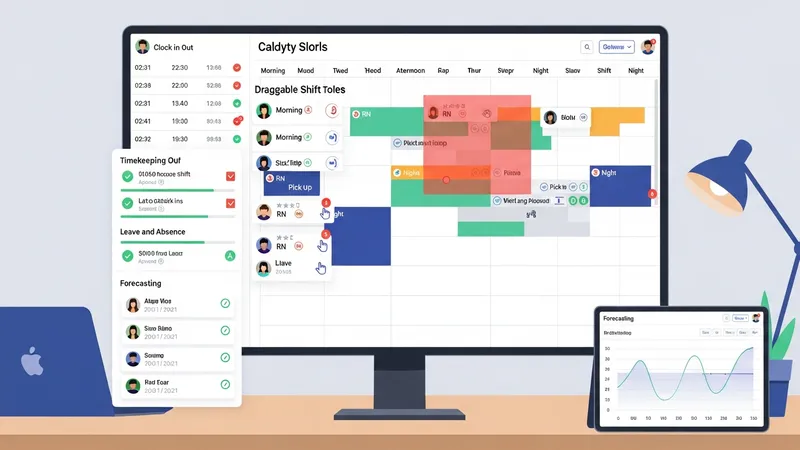
Core feature categories of workforce management systems
Feature sets in workforce management solutions typically fall into distinct categories that reflect operational and administrative needs. Scheduling features handle shift creation, coverage visualization, and swap or pick-up workflows. Timekeeping modules capture hours, manage exceptions, and support approval workflows. Leave and absence management tracks planned and unplanned time away, often tying into accrual engines. Forecasting and analytics analyze historical demand to project staffing needs. Reporting and compliance provide exportable records and configurable rule checks. Understanding these categories helps organizations map functional needs to available modules in a neutral, factual way.
Scheduling capabilities may include rules-based constraints such as minimum staffing levels, skill or certification requirements, and restrictions to prevent excessive consecutive shifts. Visualization tools can present coverage gaps and overlaps so planners can adjust rosters. Automated options may suggest shift assignments based on availability and qualification, but many organizations use these suggestions as a planning aid rather than automatic enforcement. The level of automation selected commonly depends on the predictability of demand and the degree of human oversight organizations prefer for staff allocation.
Time and attendance modules often integrate with diverse input sources including web clock-ins, hardware terminals, and mobile apps. These inputs typically require validation workflows to handle missed punches or discrepancies. Some systems include geofencing or device-based verification as optional inputs; such features are generally configurable and used according to organizational policies and privacy considerations. Export formats for payroll or accounting systems are frequently standardized to reduce manual reconciliation and to support accurate pay processing.
Reporting and analytics components usually provide operational and strategic outputs, with operational reports covering daily coverage and exception lists and strategic dashboards showing trend indicators. Forecasting models may use moving averages, weighted historical demand, or seasonality adjustments to produce staffing estimates. The transparency of forecasting assumptions and access to raw historical inputs often matters to planners who need to validate results. Many organizations combine system-generated forecasts with managerial judgment to create final staffing plans.