
Workforce Management Software: Key Features And Core Functions Explained

Scheduling and time-tracking components explained
Scheduling and time-tracking are core operational layers that directly affect labor cost and service coverage. Scheduling modules create predictable rosters and may exhibit constraints for certifications, shift overlap, and contractual obligations. They often provide calendar views and conflict alerts. Time-tracking captures actual worked time, flags exceptions like missed punches or overtime, and stores approvals. Together, these components create a chain from planned coverage to recorded hours; quality at each stage reduces reconciliation needs and supports transparent payroll processing without implying guaranteed outcomes.
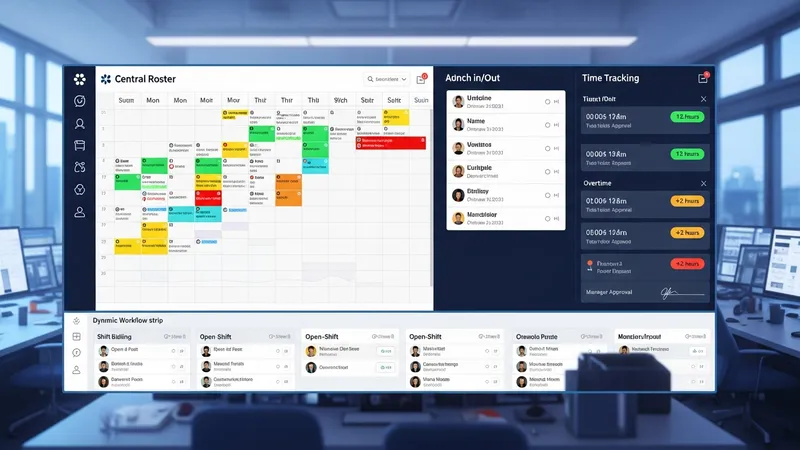
Shift bidding, swap workflows, and open shift posting are features some organizations use to increase flexibility. These workflows typically include approval gates and audit records so managers can maintain control over coverage while enabling staff participation. When implemented, tracking the volume of swaps and the frequency of open shift fills often informs policy adjustments. Data from scheduling operations may also feed into adherence metrics that measure how closely actual staffing aligns with planned coverage.
Time capture may involve rules for rounding, grace periods, and tardiness that influence payroll calculations. These rules are typically configurable so that organizations can reflect policy in automated calculations. Exception handling procedures—such as manager review of missed punches or retroactive edits—often require clear documentation and an audit trail to support internal controls and any regulatory inquiries. Integration with payroll systems usually necessitates standardized exports and a reconciliation step before final pay runs.
Mobile and remote access capabilities are increasingly common, allowing staff to view schedules, request leave, and record time from personal devices. Privacy and security considerations are typically addressed through authentication and device controls rather than assumed. Organizations often assess mobile feature sets for alignment with workforce demographics and for compliance with any location-based policies or contractual terms before full adoption. These considerations can influence rollout phasing and training plans.