
Coro Cyber Security: Overview Of Integrated Cyber Protection For Modern Workplaces

Detection, correlation, and response within integrated protection
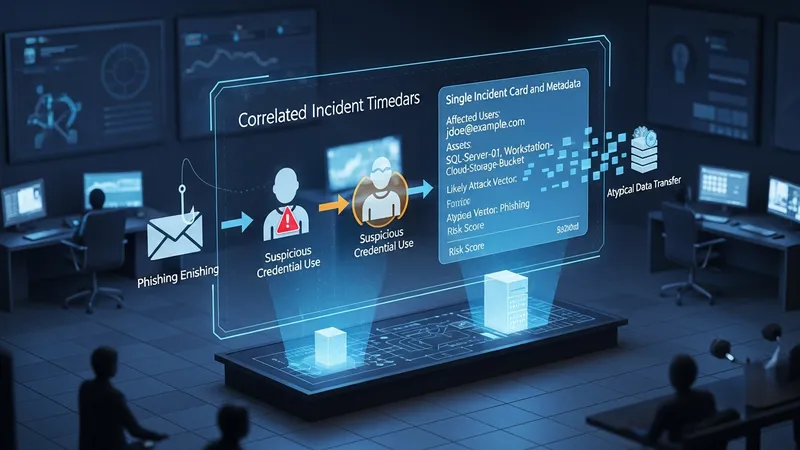
Detection and correlation are central to converting disparate telemetry into actionable incidents. Integrated systems often apply rules-based correlation, statistical anomaly detection, and machine-learned models to identify sequences of events that suggest compromise. For example, a sequence combining a phishing email, subsequent suspicious credential use, and atypical data transfer may be correlated into a single incident. The correlation layer typically assigns contextual metadata such as affected users, assets, and likely attack vectors to help prioritize response activities and reduce alert fatigue by grouping related events.
Response strategies within integrated platforms may include automated containment actions, guided remediation steps for analysts, and case management features that preserve forensic data. Automated responses can range from account lockdown or token revocation to endpoint isolation and blocking of malicious URLs. These automated actions often require configurable thresholds and safeguards to avoid disrupting legitimate operations. Many organizations adopt a mix of automated containment for high-confidence detections and analyst-driven actions for complex or ambiguous incidents.
Investigation workflows rely on retained telemetry and linked evidence across components. A cohesive incident record that includes email headers, file hashes, authentication logs, and process trees can shorten investigation time. Data retention policies and log centralization are therefore pragmatic considerations; teams balance forensic needs against storage costs and privacy requirements. Integrations with ticketing and case-management systems often streamline handoffs between security and IT operations or legal and compliance functions during incident handling.
Metrics for detection and response in integrated environments may include mean time to detection (MTTD), mean time to containment (MTTC), and the rate of correlated incidents versus independent alerts. These metrics can help teams evaluate whether integration reduces duplicated work or improves prioritization. However, measuring improvements typically requires baseline data and consistent definitions for alert categorization and incident closure to ensure comparisons over time remain meaningful.